
Does My Dog Need Vaccinations Before Being Neutered?
 Owning a pet comes with responsibilities. And vaccination and spaying/neutering are the first and foremost of them.
While both of them are not mandatory, they are crucial for the well-being of your pet. Vaccination helps prevent harmful diseases, while spaying is important for unwanted pregnancy prevention.
Our article brings you everything you need to know about neutering, from the appointment to surgery and its care, instructions, vaccinations, and more.
Do Pets Need Shots Before Being Neutered?
Getting your pets inoculated is a personal choice. However, local and state laws may make a few shots like rabies mandatory for all animals.
This remains the same for neutering, too; Though it is up to you to get your pet vaccinated, vets often prefer the vaccinations to be completed before neutering.
Clinics are often skeptical to neuter unvaccinated pets due to the high chance of infection resulting from the surgery’s side effect. Vaccinated animals are generally protected against diseases such as parvovirus.
Timeframe Between Vaccinations and Spaying
Not only do vets require vaccinations before the spay, but also a full three-four weeks before your pet’s surgery.
While this is the norm, it may change depending on the spay-neuter clinic and your pet’s age.
An inexpensive veterinary clinic may choose to accept an animal that is not vaccinated or choose to vaccinate them the same day as the surgery.
Can You Vaccinate and Spay at the Same Time?
It is not advisable to vaccinate a pet at the time of surgery or during times of illness. Vaccines stress the immune system, so does your pet’s surgery. And your pet needs a fully functioning immune system to prevent any infection.
Shots Before Spaying & Neutering
It is safer for the pets to have completed their initial set of vaccines before the surgery. Unvaccinated pets run the risk of contracting illnesses from other animals in the veterinary clinic and also have a higher chance of infection after the surgery.
 Here are the mandatory shots that a pet requires before a spay-neuter surgery.
Dogs
- Rabies
- DAPPv
Cats
- Rabies
- FVRCP
How Do I Prepare My Pet for Neutering?
Neutered pet is generally less aggressive, better behaved, and also have reduced chances of diseases like testicular or ovarian cancer.
Here are a few things you may want to do to get your pet ready ahead of the appointment.
- Take your pet for a checkup which might be a physical examination or pre-operative blood panel. This helps to identify any health conditions that can make the procedure risky or may require attention.
- Dogs must arrive on a leash, and cats must be in their carrier. Ensure that they are trained to stay in for extended periods of time.
- Pets must be vaccinated at least a week prior to surgery.
- Be prepared according to the pre and post-surgery instructions given by the veterinarian.
Pre-Surgery Instructions for Pets
Familiarize yourself with the instructions prior to your pet’s surgery for smooth sailing.
The Night Before Surgery:
- Keep your pet indoors the night before surgery.
- Provide your cat with a litter tray.
- Please maintain a regular feeding schedule until the a.m.
The Morning of Surgery:
- Make sure that they are clean and dry.
- Please allow the patients to relieve in the a.m.
- Four months or younger patients can eat half the amount of their regular diet.
- If your pet is five months and older, give a quarter of their regular food on the morning of surgery.
- Please allow them to have water up until the surgery.
- When arriving for surgery, please bring your pet in a crate or carrier.
- Arrive 10-15 minutes before your appointment time.
 Pre-Anesthetic Bloodwork
Vets generally recommend pre-anesthetic bloodwork for pets undergoing sedation or anesthesia. This bloodwork allows your vet to assess your pet’s overall health, checking for liver and kidney problems, etc., thus ensuring that your pet is a good candidate for anesthesia.
Please read this article for more information on the various types of pre-surgical blood tests that are available and what the benefits are for administering them to your pet.
Best Age to Neuter Dogs and Cats
The ideal age to neuter dogs and cats are as follows:
- Male dog: five to nine months
- Female dog: six months before their first heat cycle
- Male cat: four to five months
- Female cat: four to five months
While the above is a general consensus among vets, it may change depending on the animal’s age and breed and the spay-neuter clinic. Few clinics pets as long as they are eight weeks of age and weigh 2 pounds, mainly in the case of shelter animals.
Post Surgery Care for Pets
Spaying and neutering are major surgeries. Your pet needs to be cared for to prevent infections.
Ensure that you follow the surgery instructions as per the vet:
- Limit the pet’s activity for 7-10 days to allow for recovery. Place him/her in a carrier big enough for them to stand up.
- Feed them half the amount of their regular food when you bring them home and an additional meal later on.
- Look out for lethargy, diarrhea, or vomiting for more than 24 hours after the procedure.
- Keep the incision dry, and do not bathe them for ten days.
- Use a cone to prevent them from licking or chewing the incision.
Conclusion
Arrive a few minutes ahead of your appointment to have a stress-free environment for yourself and the animal. Please note that you must follow the pre-op and post-op surgery instructions as mentioned by the veterinarian for the safety of the pet.
Discuss the instructions with your vet, whether it is the next day or the night of the surgery. Few vets prefer 24 hours observation for the animal. Be prepared to provide your pet with physical and emotional support to help him/her recover quickly.
 Your pet’s health is important. In Tucson, Santa Cruz Pet Clinic is the trusted veterinarian that you desire for getting your pet the proper vaccinations at the proper time. Contact us today to schedule your pet’s vaccinations and spay-neuter surgery.
Other timely, related articles you may enjoy:
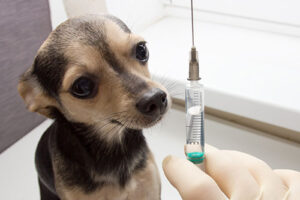 Did you know scientists first developed the animal vaccine way back in 1879? Back then, an epidemic would wipe out hordes of animals, leaving the farmers ruined financially. While you cannot ensure your puppy’s health, you can start with the vaccine. Vaccines help protect your new puppy from a host of life-threatening fatal illnesses. Some are mandatory, and the others are primarily dependent on the location and the lifestyle of the puppy. According to American Animal Hospital Association, puppies should be vaccinated starting from 6-8 weeks of age. Our article brings to you everything you need to know about the vaccination process, the shots your puppy needs, its vaccination schedule, and much more.
 The puppy vaccination schedule differs depending on the vet, health conditions of the puppy, and the area you live in. Your puppies’ social life also comes into the picture when choosing the optional vaccine. You may want to talk to the veterinarian and work out a schedule.
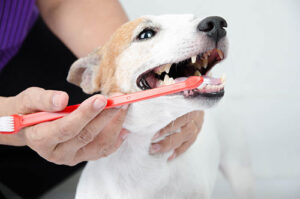 Most people do not realize how essential teeth cleaning is for dogs. There are many
  People Also Ask
 Urinary Tract Disease in Rabbits

 Cats are furry little creatures that bring warmth and joy to the heart. For some people, the more, the merrier. For those, having just one to call their own is sufficient. But, regardless of your preference for quantity, cats are animals, and they breed. If you’re someone who wants to enjoy the company of your cat only, look out for unwanted pregnancies.
 TLDR: spaying your dog early on reduces the odds of them de eloping uterine diseases. A reduction in breast tumors also occurs after spaying. Spaying is a process that removes the female reproductive organs. Doing so removes the odds of you having to care for accidental offspring. Spaying only takes a few hours, and you can often get your dog back the same day.
 TLDR: to help your dog recover as comfortable as possible after being spayed, you need to do a few key things. Make sure you have enough food and water for your dog so that they will be able to replenish their vital nutrients and fluids. You also want to make sure that your dog has a quiet place that is free of any small children or other pets so that they can recover uninterrupted.