Phone: 520.889.9643 | Fax: 520.889.9023

Author: csDevTeam

Dog Teeth Problems

dog teeth problems

Much like humans, dogs can also develop oral diseases, including broken teeth and periodontal diseases. Dogs are five times more susceptible to dental problems than humans. In addition, the prevalence of periodontal diseases is at 80% among dogs over the age of 3.

The most common dental problem among dogs is bad breath. However, this is quite harmless when not accompanied by other serious dental diseases like periodontal disease. In the same line, cavities are also common among dogs and harmless when they are not a symptom of something serious.

This is because canines have an alkalizing mouth which promotes the buildup of plaques in their mouth. As bacteria multiply, their symptoms also do. As a result, it can lead to inflammation and tissue damage. This causes tooth loss and pain for your pup.

This article takes you through the various dog teeth problems often seen in your pet. Keep reading for signs, treatment, and prevention.

What is Dental Disease in Dogs?

Unlike humans, canines have little to no problems with tooth decay. But most dogs over three years old have dental disease. It comes in four stages, generally beginning with plaque and tartar in the mouth. This then leads to lightly inflamed gums, often called gingivitis.

If left untreated, they can progress into severe gum disease (periodontitis). And in due course, it may involve loss of bone and soft tissue around the affected teeth. In severe cases, it can affect other organs in your pet’s body and even organ failure.

Periodontal disease is one of the most common dental diseases seen in dogs. More than two-thirds of dogs aged three and older have the disease. Another common condition seen is fractured teeth. However, cavities are pretty rare and are present in only 10% of oral conditions.

When do Dogs Get Teeth Problems?

Dogs generally develop gingivitis at two years of age. However, it can get better with regular treatment. By the time they are three years of age, most dogs would have developed a dental disease. Gingivitis progresses to periodontal disease at about 4-6 years of age. When left untreated, it leads to bone loss.

Are Dental Problems Common in Dogs?

Dental disease is quite prevalent in canines. It is one of the most common ailments seen by vets. Unfortunately, only a few pets show outward signs of the disease. Therefore, it is up to the vet and the owner to spot this painful condition.

Of all dental diseases, periodontal disease is the most common infectious disease. It is a progressive, inflammatory disease that affects the supporting structures of the teeth. It is also the leading cause of early tooth loss in dogs.

Is the Dental Disease in Dogs Fatal?

Periodontal disease can cause more complications than just pain and loss of teeth. Untreated inflammation in pets can be a leading cause of liver, heart, and kidney diseases. In the end, they can untreated gum disease can destroy the bone so much so that even the slightest pressure can fracture your dog’s jaw.

Common Dog Teeth Problems

Dental complaints are the most common health problem for dogs. One of the most common issues is bad breath. Bad breath though harmless, does show signs of bad dental health. On the other hand, Cavities are uncommon and periodontal, or gum disease in canines is not.

Periodontal disease is one of the most commonly encountered health problems in dogs. The condition affects about 80% of pets by the age of three.

Teeth issues can harm the overall health and dog’s quality of life of your dog.

Plaque and Tartar Buildup

Plaque is an adhesive film on the inside of the tooth. It is a whitish substance consisting mainly of bacteria. The plaque creates a foul smell that increases with time unless you brush. When left unattended, they cause tooth decay and gum disease.

If not brushed within 24 – 48 hours, the plaque thickens into a hard substance called tartar. Also called calculus, tartar is a yellow or brown-colored substance that stays affixed to the teeth. At this point, they are not removed by brushing and will need to be scraped with a hard object. Once it reaches the gum line, it can irritate, leading to gum disease.

The primary signs dog owners will notice are poor quality breath, stained teeth, and red gum line. As it progresses, you may also find worsening breath and bleeding gums. Other contributing factors for gum disease are age, diet, breed, and genetics.

Periodontal Disease

Periodontal disease is a painful bacterial infection that affects the liver, heart, and kidneys when left untreated. As the name indicates, it affects the gums and the bones that surround the teeth. The dental disease is generally silent—there aren’t many apparent early signs and symptoms. However, once it advances, it causes untold pain for your dog, missing teeth, bone loss, swollen gums, and more.

Gingivitis/Gum Disease

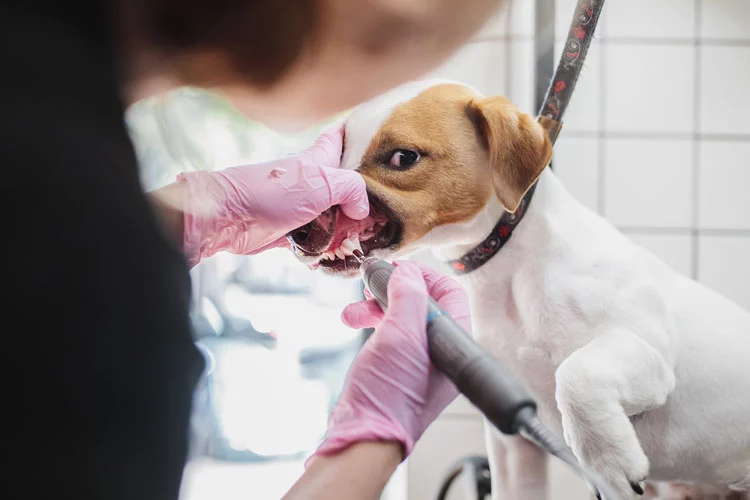
vet brushing dog teeth

Gingivitis is the first stage of periodontal disease. The gums are inflamed due to the bacterial plaque, but the infection hasn’t reached the bones and ligaments. So in truth, the tartar that you see isn’t the reason for the infection.

When the hard tartar digs into the gums and gets under the gum line, it starts a vicious cycle of infection. The bacteria get trapped, which causes damage to the supporting tissues and the surrounding bone structure.

The inflamed gums become red or purple and swollen, bleeding on contact. Gingivitis at this stage is reversible. It is treated via a professional dental cleaning (under anesthesia). Following that, pet owners should follow proper oral hygiene, such as daily tooth brushing and dental cleaning.

Periodontitis

In the case of periodontitis, the infection is much more severe and affects the gum tissue, bones, and ligaments. As the vital supports of the teeth diminish, pockets develop around the roots of the teeth. This allows food, bacteria, and other debris to collect, causing infections.

The bacterial buildup in these pockets secretes a toxic substance causing further damage to the tissue. The resulting inflammation triggers the dog’s immune system, bringing in the white blood cells to fight the bacteria. However, in the process, the surrounding tissues and bones are also damaged. Over time teeth loosen and begin falling from the mouth.

Dentists treat periodontitis with a professional cleaning and regular treatment. In severe cases, your pet may require oral surgery to reach the root surface.

Tooth Root Abscess

In severe cases of periodontal disease, the bacteria reaches deep into the roots of the teeth. And then, it starts destroying the root depriving the tooth of its blood supply resulting in tissue destruction. This stimulates a response from the immune system, which floods the area with white blood cells (pus or abscess). At this stage, your pet would require a surgical intervention. The abscess affects the molars and presents itself as a swelling under the eye.

However, the tooth root abscess may also be linked to mouth trauma when dogs chew hard objects and injure their mouths. In addition, the infection causes the swelling and facial deformity, which can be pretty painful.

Tooth Fractures

Tooth fractures are common among dogs that are constant chewers. They happen when the dog chews on hard objects such as hard nylon chews, bones, antlers, and pig hooves. Your pet pooch should not chew on anything that doesn’t have a bit of a give.

The size of the chew also contributes to fractured teeth. A large chew toy will make the gum and tooth flex to an angle so that one side of the tooth is split. It is called slab fracture. Tooth fractures should be treated to save the tooth. If the pulp is exposed, root canal treatments and tooth extractions are the only options.

Retained Baby Teeth

All puppies have baby teeth which then fall out, making space for adult teeth. The adult teeth come in by the age of 6 months. In some cases, the puppies retain the baby teeth leading to overcrowding. Unfortunately, there is no way to treat retained baby teeth. However, dentists can remove them under anesthesia.

What are the Signs of Dental Problems in Dogs?

The signs of dental diseases in dogs are quite underrated. These cause your pooch untold pain and discomfort. Though these symptoms can sometimes be mistaken for older dogs, pet owners can see marked changes like:

  • Bad breath
  • Discolored teeth
  • Plaque and tartar buildup
  • Bleeding gums
  • Swollen gums
  • Loss of interest in chew toys
  • Loss of appetite or difficulty eating
  • Increased drooling
  • Missing teeth
  • Fatigue
  • Pawing at the mouth
  • Sneezing and nasal discharge (due to periodontitis in upper canine teeth)

Dog Breeds with Bad Teeth

Few dogs, especially the smaller ones, present a greater risk of developing periodontal diseases. However, as a pet parent, you need to be diligent with these breeds.

  • Pug face dental problems like plaque and periodontal disease as a result of the short-muzzled bone structure. They also suffer from overcrowding of teeth.
  • Chihuahua has a small mouth to host all 42 teeth. This makes them susceptible to periodontal disease.
  • Yorkies often have retained baby teeth.
  • Boxers and large breeds such as Great Danes and bulldogs suffer from gingival hyperplasia 0r thickening of gums.
  • Collie suffers from an overbite, soft tissue trauma, and tooth-on-tooth wear.
  • Dachshunds have a narrow muzzle hence making them susceptible to periodontal disease.

Why do Small Dogs have Teeth Problems?

Small breed dogs such as Chihuahuas, Pugs, and Yorkies are susceptible to dental disease. The consensus is the small heads which lead to overcrowding. There is not much space between the teeth, presenting more space for food particles to collect bacteria.

They also retain their baby teeth which again is a reason for overcrowding. In addition, other breeds such as pugs and Boston terriers have bite problems.

How do I Prevent Dental Disease in Dogs?

The most common risk factor for periodontal diseases in dogs is inadequate oral hygiene. The key to managing periodontal diseases is prevention. As long as their teeth remain clean, they will not harbor bacteria, and the gums will also stay healthy.

Dogs Do Not Show Signs of Teeth Pain

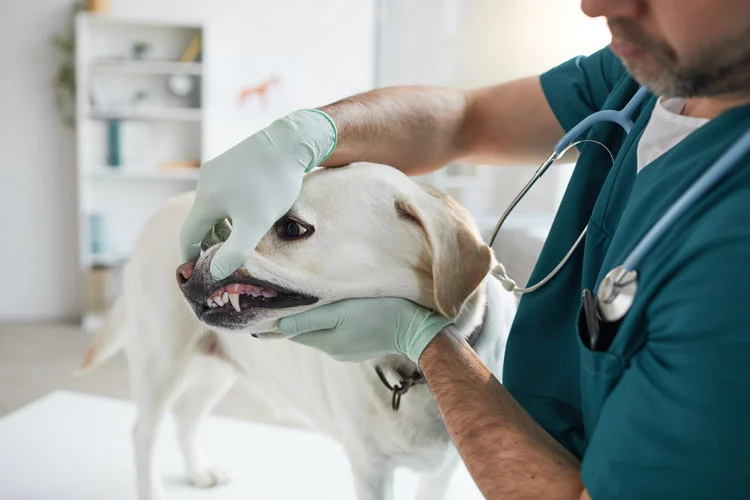
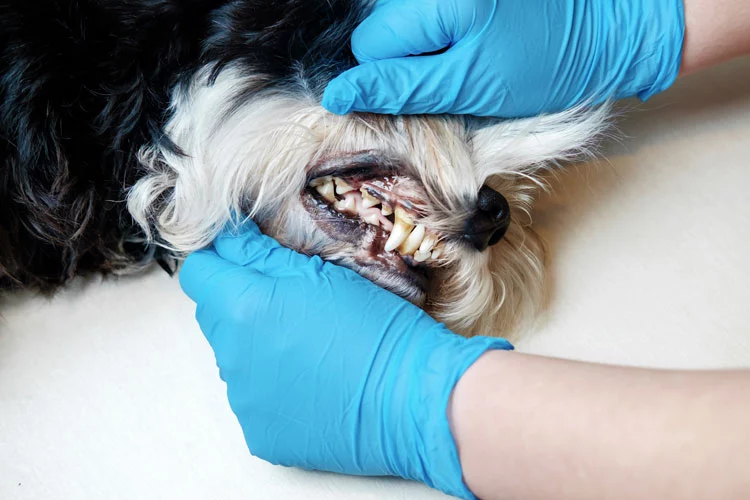
veterinarian examining dog teeth problem

Less than 5% of dogs show outward pain in their teeth as a result of periodontal disease. This is because their animal instinct doesn’t allow them to show any pain. As a result, they have evolved to hide even the chronic pain.

Even with bleeding gum and cracked teeth, your pet would prefer to wag his tail rather than show you that he is sick. He will be the happy dog you know.

Examine Your Dog’s teeth daily

You’re unlikely to diagnose serious oral problems in a dog’s mouth. However, there are things worth looking for between all these vet cleanings. Look out for broken teeth, discolored teeth, and loose teeth. Other signs to look out for include:

  • Blood on chew toys or water bowl
  • Bad breath(within 1-2 months of cleaning)
  • Swelling in or around the dog’s mouth
  • Increased resistance to brushing

Know the Signs of Dental Diseases in Dogs

Stay vigilant for broken or discolorated teeth as well as if the teeth are turned. Too often, breeders, even vets, are looking at the signs that the pet is old. Unfortunately, all these signs of mouth cavities go wrong all too often. There are plenty of things that can happen in your dog’s mouth — but most of it can go unnoticed.

Keep an Eye on Their Oral Health

Taking care of your pet’s oral health is akin to taking care of your own. Here are some simple steps you can follow to ensure optimum health,

  • Pet owners should do annual oral examinations, dental x-rays and dental cleaning every year under general anesthesia.
  • Daily tooth brushing is the key to a healthy mouth. A pet toothpaste and pet toothbrush with a little bit of patience can help keep your pet healthy and happy.
  • Give your pet safe chew toys to keep its mouth in top form. It helps slow down the progression of periodontal disease. For example, give them hard and rubber toys or thin rawhide bones.
  • Feed your pet healthy foods suitable for his dietary needs. This includes food with additives to prevent plaque and dried food to scrub their teeth.

Conclusion

Veterinary dentistry is always available to help your dog with his periodontal disease. However, keep in mind that it is already advanced by the time you notice any signs of periodontal disease. So, the best treatment option is prevention.

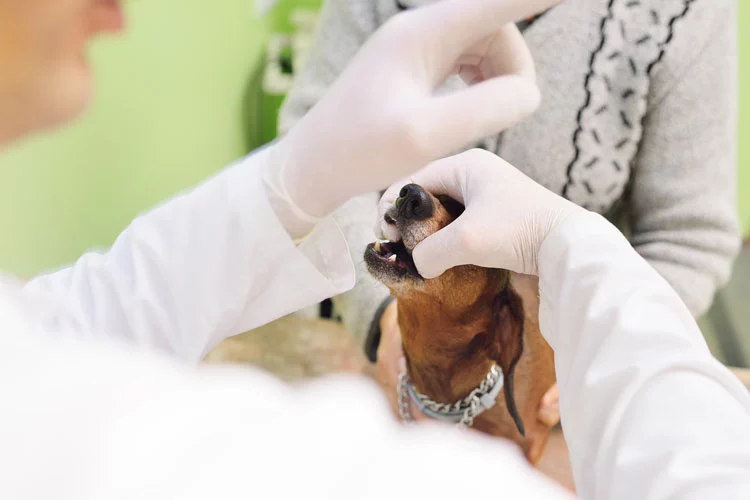
vet examines dog teeth

Daily tooth brushing is much more than clean teeth. It is the difference between a bundle of joy and a sick dog. It is also worth providing them with lots of opportunities to chew. And always feed your dog a proper diet. Finally, be sure you see your doctor during the day for regular checks. If you suspect gum damage talk to a vet first – brushing is sometimes ineffective.

If your dog is showing signs of periodontal disease, contact a vet. They will examine the nature of the disease and suggest a treatment plan.

In Tucson, Santa Cruz Pet Clinic is a world-renowned and trusted veterinarian that you desire for keeping up with your pet’s vaccinations at the proper time to ensure its health. Contact us today to schedule your pet’s vaccinations and check-ups.

How to Treat Roundworms in Cats

Roundworms in Cats

Most people associate roundworms with dogs, but cats can also get this harmful parasite. Did you know that roundworms are extremely common parasitic worms found inside cats, dogs, and other animals? They can be a significant cause of illness, even death in kittens. Most cats become infected with them at some time in their life, generally as kittens.

Infection can be spread through direct contact or ingestion. Cats can get roundworms from contact with an animal carrying the worm.

This article will discuss everything you need to know about roundworms in cats. Keep reading to know more about clinical signs, treatment options, and prevention methods!

Roundworms in Cats

Roundworms are the most common internal parasites found inside a cat. The two species that infect cats are Toxocara Cati and Toxascara Leonina. Of these, the Toxocara Cati can cause health problems in human beings. In the case of dogs, it is Toxocara Canis that causes a parasitic infection. Toxocara Canis (dogs) and Toxocara Cati (cats) can also infect people.

As the name indicates, they are round, white to light brown, and up to 4 inches long, much like spaghetti noodles. They are intestinal parasites found in all animals. Adult worms live in your pet’s intestines and feed off the nutrient in their diet.

Roundworms can be contracted in many ways, making them easy to spread and hard to control. Cats contract with roundworms often through contact with another animal carrying the worm. The worms are often found in soil. Your cat (or dog) can contract roundworms while playing or eating grass.

How Contagious Are Roundworms?

Yes! Roundworms are contagious. If your cat comes into contact with another animal with roundworms, it can also get the same. They are also present in cats’ feces and can remain infective for months. And when a cat or a dog comes into contact with the feces, they can get infected.

What’s the Prognosis for Cats Diagnosed with Roundworms?

The prognosis for cats with roundworm infection is pretty good. However, it’s essential to treat the roundworm early on before your cat becomes ill or dies.

If your cat has roundworms, take them to see their vet as soon as you can! Cats are very good at hiding illness until they become pretty sick. And by then, it may be too late for treatment to be effective.

Types of Roundworms

There are various types of roundworms that cause infections in cats. Though they look and behave in a similar manner, they have different life cycles.

  • Toxocara Cati is generally seen in kittens. It is transmitted from an infected mother to the baby via mother’s milk. However, the roundworm can also be a result of ingesting eggs. Generally, animals such as rodents, beetles, or earthworms act as carriers of the parasitic worm. The eggs then hatch into roundworm larvae in the digestive system of the cat.
  • Toxascara Leonina is quite less common and is seen in older cats and dogs. It has a pretty straightforward life cycle than the Toxocara Cati. The eggs of this type are found in the cat (or dog)feces. And when ingested, they hatch into adult roundworms in the digestive system.
  • Toxocara Canis is the most common type of roundworm seen in dogs. They can grow up to 7 inches long and can be transmitted to humans too. When the infective eggs are ingested, the resulting larvae can invade the gut wall and migrate. The migrating larvae can invade the body tissues where it encysts if the dog is older than five weeks of age.

How Do Cats Get Roundworms?

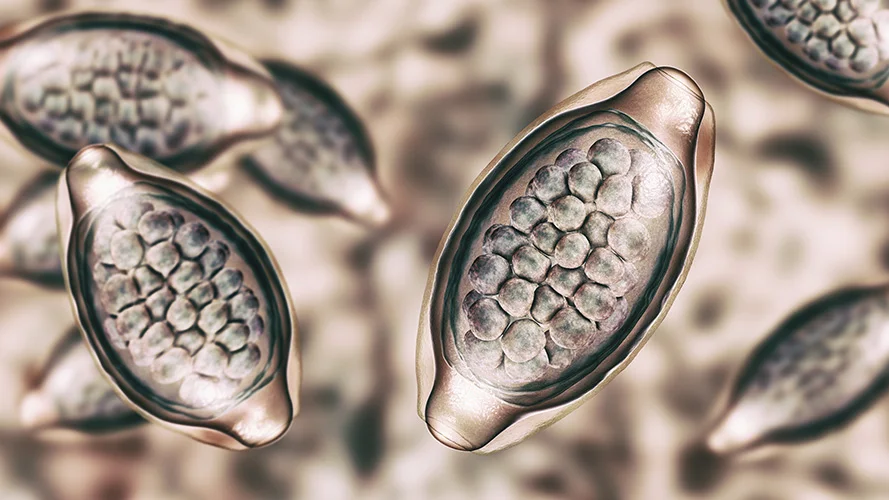
Roundworm Eggs Under Microscope

The most common way cats contract roundworms is by ingesting the eggs. This can happen when they play with contaminated soil and grass, or if they come into contact with rodents carrying the roundworm larvae.

A milk-borne infection is the primary mode of roundworm transmission in kittens. Immature worms called larvae are present in the mammary glands of an infected mother. Later on, it passes on to the kittens via her milk.

Both cats and kittens can get roundworms through an accidental host. An accidental host can be any animal where the roundworm eggs can be found. In most cases, the host stays unaffected. Instead, the eggs are transported to the cat through the feces. It can happen when your pet eats the tissue of an affected animal, thereby completing the life cycle.

When the cat (or dog) eats the host, the eggs hatch in the gastrointestinal tract. And the larvae migrate to various organs such as the liver and lungs through the tissue. They then return to the intestines to lay eggs that pass out through the cat’s (or dog’s) stool.

There is no direct contact between cats and roundworms. However, the infection can be contracted by ingesting feces, contaminated soil, or another animal.

Clinical Signs of Roundworm Infection in Cats

Adult roundworms live in the affected cat’s intestines. They show clinical signs of roundworm in various ways. Some may not show any sign at all and can be asymptomatic carriers for a long time. They pass out the eggs through their stool every once in a while.

But, others who have heavy infections may become ill and show the following symptoms:

Clinical Signs of Roundworms in Cats
  • Vomiting 
  • Diarrhea
  • Loss of Appetite
  • Inability to Gain Weight / Weight Loss 
  • Decreased Energy 
  • Lethargy 
  • Dehydration 
  • Dull Hair Coat
  • Potbellied Appearance
  • Anemia 
  • Adult Worms in Stool or Vomit

The most common sign is the flat segments with tapering ends and grain-like appearance in the stool of infected pets. These are the larvae of parasitic roundworms, which are passed out along with the feces.

Some cats may also show signs of coughing due to pneumonia caused by the larvae. These larvae push into the respiratory system, causing breathing difficulty.

Treatment for Roundworm Infections

Roundworms are pretty easy to treat. Start by giving your cat a deworming medication regularly every month or two.

The medications work only on adult roundworms and not on larvae or eggs. Hence they need to be repeated every 2-3 weeks for it to be effective. The treatment goes on until to treat the residual roundworms as they mature. The number of treatments depends on the situation and the age of the cat.

The companion animal parasite council recommends deworming a kitten every two weeks of age until four months. Pregnant dogs should also be dewormed in late pregnancy or after six weeks of pregnancy. This will help reduce the chances of it passing to the puppies. On the other hand, Puppies should be dewormed starting at two weeks of age and repeated as long as the pet needs.

You can give this as part of routine care, even if you do not see signs anymore – it will keep them away for sure! Roundworms can cause serious health problems in cats – even death! Therefore, it is vital to get your cat treated for roundworms as soon as possible.

Roundworm Prevention for Dogs and Cats

Treatment and prevention is by far the best way to control roundworms.

One way to prevent roundworms is to give your pet medication every month for two weeks. They need the medication until they are four months old. This medicine will protect your kitten from roundworms and other worms such as hookworms and tapeworms.

Here are a few steps you should follow to prevent roundworm infections:

  • First, keep your cat indoors, as it will limit exposure to a variety of animals.
  • Keep cats and dogs away from areas with a high rodent population.
  • Maintain a clean yard free of cat feces. The presence of feces can attract rodents carrying roundworm eggs onto your property.
  • Clean up your dog’s feces immediately. Use gloves to avoid contact with fecal matter.
  • Do not feed your cat raw meat as this may increase the risk of roundworms.
  • Once you have a kitten, make sure to keep it indoors until it is at least four months old.
  • Take your cat to the vet for regular checkups.
  • Wash hands after handling pets that might carry roundworm eggs on their fur (kittens).
  • Ensure your cat’s vaccinations are up to date.
  • Maintain your cat’s living area clean and free from feces.
  • Keep the cat’s litter box away from children and other pets.

How Long Does It Take to Kill Roundworms in Cats?

The medications take as long as three days to destroy the roundworms in the body. However, the medicine works on adult roundworms and not the larvae. Therefore, you may have to repeat the treatment until the eggs are hatched, and the larvae are killed.

Is It Normal for Roundworms to Come Out After Deworming?

Yes! It is pretty common to see live and dead roundworms in the stool of your cat (or dog) after deworming. While it is unpleasant, it means that your pets no longer carry roundworms.

The roundworms in the stool will look like small and long pieces of spaghetti (or rice). If you see them, then it means that your pet still has roundworms.

You need to deworm again after a week if this happens even though there is no sign of roundworms! And make sure to give regular deworming treatment every month.

What if My Cat Vomits Worms?

If you see roundworms in the vomit, this is a sign that they have a severe infection. You will need to get them checked by their vet immediately and dewormed!

It also means that other organs like the liver or lungs are also infected (or damaged). In addition, the larvae often result in vomiting up of the roundworms.

When this happens, consult veterinary professionals as they may suggest tests and treatment. They will also be able to recommend an effective deworming medication for use at home!

Can I Deworm My Cat Myself?

You cannot deworm your cat by yourself since you may not know which medicines to use. Also, if it is a kitten, you need an adult who can hold the animal during treatment!

You should consult with a vet or take them along when giving their deworming medication. If you want to deworm your cat at home, make sure that the treatment is safe for kittens (if this applies) and gentle on their stomachs.

Conclusion

Kitten Receiving Deworming Treatment

Roundworms are nasty parasites that can make your cat feel pretty bad. If you notice your kitten has been dragging its butt or looking like it’s got the flu, roundworms could be to blame.

You need to get treatment before it gets worse and causes serious problems! Cats contract roundworms often through contact with another animal carrying the worm.

The prognosis for cats with roundworm infection is pretty good (most will recover without any complications). However, you need to treat the infection early on before your cat becomes ill or dies. The most common way cats contract roundworms are by ingesting the eggs when they come into contact with rodents.

With such an easy way for cats to contract these worms, we need all pet owners to be vigilant about prevention measures. Keep your pets indoors and away from areas that rodents might congregate.

In Tucson, Santa Cruz Pet Clinic is a world-renowned and trusted veterinarian that you will want for keeping up with your pet’s vaccinations at the proper time, deworming, and other services to ensure its health. Contact us today to schedule your pet’s vaccinations and check-ups.

Common Chihuahua Health Issues

Brown Chihuahua

A small dog with a big personality – that’s a chihuahua. It is also the smallest of all 155 American Kennel Club (AKC) dog breeds weighing no more than 6 pounds. A national symbol of Mexico, these amusing “toy dogs” stand among the oldest breeds of the Americas, with a lineage going back to the ancient kingdoms of the pre-Columbian era. Furthermore, chihuahuas also get along well with the family and make for an excellent apartment dog.

Chihuahuas are generally healthy amongst other breeds of this size. They also outlive most canines, big and small. However, it can also be plagued with health concerns. This article takes you through the common health issues a chihuahua may face, symptoms, and life expectancy of this breed.

Keep in mind that your chihuahua is not likely to face any of these illnesses, but it pays to be aware of them.

Do Chihuahuas Have a Lot of Health Problems?

Chihuahuas are generally a healthy breed and can outlive most dogs. They are one of the rare breeds that have the longest lifespan averaging at 20 years.

However, their small size attributes to a lot of health problems. Furthermore, they are prone to breed-specific health issues. Despite that, they are resilient when it comes to illnesses.

Common Chihuahua Health Problems

Chihuahua with Mask

Most of the health issues of a chihuahua are genetic and related to the particular breed. And as such, they have quite a few illnesses, but not all are life-threatening. And it doesn’t mean that all chihuahuas get them. Your pet may be more at risk for the below-mentioned diseases. Here are the common health problems chihuahuas are predisposed to:

Spinal Injuries

Injuries are the leading cause of health issues among small dogs, particularly chihuahuas. Chihuahua likes to follow their owner around and often shadow around. Due to their fragile nature, even minor accidents can cause serious injury.

Spinal injuries occur with dogs that play with larger dogs. An acute spinal injury causes nerve damage leading to paralysis. It may also cause spinal disc damage, which puts your chihuahua in pain and lots of it.

The latter is also called Intervertebral disc disease or IVDD. In serious cases, your pet may become paralyzed or lose motor functions in certain parts of the body. Call your vet if he is

  • Unwilling to jump
  • Cries for no reason
  • He lowers his head when you pick him up

He may be in severe pain. Depending on the severity, your vet may suggest surgery.

Canine Distemper

Chihuahuas are very susceptible to viral illnesses such as distemper. Unfortunately, it is rather contagious and transmitted between canines through the air. Also, it doesn’t have any cure either. Hence it is all the more important to get your pet vaccinated. The common signs of canine distemper include:

  • Vomiting
  • Diarrhea
  • Lethargy
  • Runny nose
  • Red eyes
  • Coughing
  • Lethargy
  • Heavy Breathing
  • Temperature

At the onset of symptoms, you need to contact your vet right away. However, do not take your chihuahua to the vet without an appointment. Your vet will notify you after making arrangements such that other dogs do not get infected.

Patellar Luxation

As the name indicates, patellar luxation is the dislocation of the kneecap. It is a common hereditary condition among chihuahuas. There are different levels of dislocation depending on where the patella resides.

Patella consists of three parts: thigh bone, calf, and kneecap. For a dog with this condition, the kneecap dislocates quite often. The symptoms of luxation include:

  • Varying pain degrees
  • Abnormal gait
  • Lameness
  • Immobility (in worst cases)

If it’s one leg, your dog can pop it back into place by kicking his leg sideways. Depending on the severity, the treatment varies. In manageable cases, physical therapy can adjust his gait. For severe cases, corrective surgery is the only option. Whatever it is, they can lead a normal life.

Tracheal Collapse

Collapsed trachea is one of the common conditions seen in “toy dogs” like the chihuahua. The trachea is made of rings of cartilage. This structure provides strength and flexibility to the trachea. However, in chihuahuas, the cartilage is weak and prone to collapse when the dog inhales.

This condition also leads to a narrow windpipe. The symptoms include:

  • Goose-honk cough
  • Gagging
  • Difficulty breathing

As the condition worsens, the airways thin, making it difficult for your pet to breathe. In advanced cases, the lack of oxygen can affect other organs.

As for treatment, vets prescribe bronchodilator drugs for mild to moderate cases. As the severity increases, you may have to resort to surgery. To prevent collapse, it is recommended not to use collars for chihuahuas. Instead, go for harnesses to protect their fragile throat and airway.

Dental Disease

Chihuahua Dental Health

Dental disease affects more than 80% of chihuahuas before two years of age. Due to their small heads, they experience teeth overcrowding. It makes it easy for food to be trapped between the teeth resulting in plaque. If left untreated, results in gum disease, periodontitis, and premature tooth loss.

Besides that, chihuahuas also have weak teeth. Moreover, some are born with very little enamel. Hence prone to rot and cavities, not to mention bad breath.

Chihuahua can also retain their baby teeth well into adulthood. This condition is called deciduous canine teeth, where the adult teeth develop askew. Unless pet owners maintain dental hygiene, your dog could lose not only its teeth but also its life. In addition, dental issues often affect the joints, kidneys, liver, and heart.

Hypoglycemia

Hypoglycemia, also called low blood sugar, is one of the most common health conditions seen in chihuahuas. A hypoglycemic attack can cause issues in the nervous system leading to seizures and sometimes coma.

Unfortunately, these attacks come without any warning. Sometimes your dog may show any of the following symptoms:

  • Lethargy
  • Tremors
  • Weakness
  • Restlessness

Even a mild case can escalate quite fast, resulting in permanent brain damage. Hence it is advised to take quick action since this is a medical emergency. Therefore, the best treatment for Hypoglycemia is to take necessary precautions and avoid it at all costs.

Shivering

While shivering isn’t a medical issue, most dog owners are worried when they see their pet shiver. However, shivering is pretty common among chihuahuas. The reason being, this dog breed doesn’t have much fat under its skin.

Furthermore, chihuahuas tend to have a hyperactive metabolism. As a result, they are losing their body heat all the time. Hence they tend to shiver much more than other dog breeds. However, it may also be a sign of a more severe problem. While this is not a concern, you may want to contact your vet if you notice something abnormal.

Heart Disease

Heart diseases are the leading cause of death in chihuahua. The common heart defect is the weakening of heart valves such that it no longer closes tight. This results in the book leaking through the valves, causing a heart murmur. However, if detected early, it can be brought under control with the help of drugs.

Apart from that, they are also susceptible to “Patent Ductus Arteriosis.” In chihuahuas with PDA, the valve that carries blood to both the parts of the heart doesn’t close as it should. Hence excess blood is carried to the lungs resulting in fluid buildup and heart strain. The symptoms include:

  • Coughing
  • Weight loss
  • Fatigue during exercise
  • Weakness in hind limbs
  • Shortness of breath

Another heart condition often sees in small breeds such as chihuahua is a chronic valvular disease. In a dog with this condition, leaf-like valves grow thick and go out of shape. As a result, it doesn’t close well, causing reduced valve function and cardiac output.

The most obvious symptom is a loud heart murmur in the left side of the chest. This condition is degenerative and progressive. If not treated at the right time, it can advance into congestive heart failure.

Pulmonic Stenosis

Pulmonic stenosis is a congenital heart disease where the valve is malformed. This causes the heart to work harder to pump blood throughout the body. As a result, sufficient blood doesn’t flow to the heart.

Depending on the intensity of the condition, the treatment varies. Mild cases require dietary changes, while advanced cases need heart surgery. Undiagnosed, pulmonic stenosis can be deadly since the heart can fail under stress. The symptoms include:

  • Fainting
  • Exercise intolerance
  • General fatigue

Hip Dysplasia

Hip dysplasia is one of the most common conditions seen in chihuahuas. It is often seen in larger breeds where the puppies grow rather fast into their bodies. In chihuahua, however, its fragile frame is a cause of dysplasia. Any injuries that happened in their youth manifest as hip dysplasia when they grow older.

This condition often presents as displacement between the hip joint and thigh bone. Depending on the severity, your dog may need no treatment or corrective surgery. The symptoms include:

  • Lameness
  • Abnormal gait
  • Varying degrees of pain
  • Difficulty walking

Hydrocephalus

Chihuahuas have a soft spot on the top of their head called a molera. While this is a characteristic of chihuahuas, a large molera is cause for concern. This condition is called hydrocephalus. It happens when the cerebrospinal fluid accumulates around the brain.

Hydrocephalus is seen in chihuahua puppies nine months of age or younger. The signs of hydrocephalus include:

  • Swollen head
  • Listlessness
  • Lethargy
  • Grogginess
  • Deficient coordination

Dogs affected by hydrocephalus can have:

  • Partial or full blindness
  • Dementia
  • Seizures(in worst cases)
  • Death

Chihuahuas with mild hydrocephalus can live into adulthood and lead a normal life.

Obesity

According to the “American Kennel Club,” a chihuahua should weigh no more than 6 pounds. Unfortunately, obesity is a critical health issue among dogs of all breeds. It leads to many illnesses, including heart disease, arthritis, cancer, and back pain. Apart from that, obesity can worsen joint problems and metabolic and digestive disorders.

The primary reason for obesity is the doggie treats and leftover food. While it is difficult to refuse a treat, they are better off with a walk or a game. Not only is it safer, but you’d also get to spend some quality time with your dog.

Eye Problems

Chihuahuas develop a host of eye problems, of which some are inherited. If not treated right away, they can lead to blindness and can be much painful.

Glaucoma, an eye disease found in humans, can also affect your dog’s eyes. It is a painful eye condition that leads to blindness if not treated at the right time. The symptoms include:

  • Watery eyes
  • Redness
  • Bluing of the cornea
  • Squinting
  • Enlarges and swollen eyes (advanced condition)

Another eye condition often seen in chihuahuas is dry eye. A chihuahua with a dry eye has reduced secretion by tear glands hence cannot keep the eye moist. This leads to itchy eyes and infections. The symptoms include:

  • Dull and dry eyes
  • Thick discharge
  • Squinting
  • Pawing at the eyes

While this is a painful eye disease, it is also treatable. Your vet will prescribe an ointment which you would have to apply for the rest of your dog’s life.

Senior chihuahuas are also affected by cataracts, a common cause of blindness. A chihuahua with this condition will have an opaque and cloudy lens instead of a clear lens. Surgery can remove the cataract and restore his eyesight. However, few pets may learn to live with the blindness and adjust to the new normal.

Liver Problems

Chihuahuas are prone to liver problems, in particular the Portosystemic Shunt. In this condition, a part of the blood supply to the liver goes around it. This deprives the liver of the much-needed blood necessary to grow and function properly.

A dog with a portosystemic shunt loses the ability to remove toxins from its body. You’ll see symptoms such as:

  • Stunted growth
  • Seizures

Treatment ranges from medication and a special diet to surgery in advanced cases.

Kidney Stones

Kidney stone is common in older chihuahuas, especially males. It is a small stone-like formation made of calcium in the kidney and bladder. Over time they can cause a lot of pain to your dog. The symptoms include:

  • Bloody urine
  • Difficulty urinating
  • Intense pain

Generally, the stones can pass out on their own. However, if your chihuahua has too much difficulty when trying to urinate, you may want to consult with your vet. In rare cases, the stones cause blockages resulting in medical emergencies.

How to Keep Your Chihuahua Healthy

Small Dog Hooked Up to Vitals Monitor

While they are at risk for the above conditions, chihuahuas are generally healthy. As long as you treat them at the right time, they can live a long and full life. In order to have a thriving dog, you need to ensure a healthy lifestyle for your chihuahua. Here are a few steps you can take to ensure that your chihuahua is healthy.

Give Him the Right Food

Chihuahuas are tiny dogs with a playful nature. To keep up the energy, you need to feed them with high-quality food. Any dry food with 30% protein and low in salt is perfect for them. However, you may have to feed them in small quantities multiple times a day. This is because their digestive system cannot handle a lot of food in one sitting.

Chihuahuas also have the tendency to become obese, so avoid overfeeding them. Consult with your vet and decide on a diet regimen based on his activity level. You should also avoid human food, especially coffee, chocolate, onions, and garlic.

Groom Your Chihuahua

Chihuahua is of two types: the long-haired and smooth coat. The grooming needs also vary depending on the coat. The former requires frequent grooming three times a week with a pin brush. This gets rid of the loose hair. For a smooth coat, weekly grooming with a soft-stiffened brush is sufficient.

Ensure that you clean the ears, trim the nails, and brush his teeth. Moreover, bathe him with a dog-safe shampoo every two months. Use lukewarm water for bathing him and drying him with a towel soon after.

Chihuahua is prone to a lot of dental problems. Ensure that you brush him right from the puppy stage so that he is not averse to brushing.

Ensure Regular Preventative Care

The first step of preventative care lies with you. Check its body for any abnormalities during grooming. Contact your vet if you see any swelling, redness, or swelling. Besides that, ensure that your chihuahua is vaccinated with the recommended vaccines.

Annual visits are crucial for chihuahuas. Even if they are healthy, the vet will log his height and weight to log the aging process. In addition, your vet can catch many of the illnesses mentioned above early on during the annual visits.

Excercise Your Chihuahua Daily

For such a tiny animal, your obedience training class is blessed with abundant energy. It has enough energy to run and play the whole day without getting tired. Due to their nature, they can take short walks but not strenuous exercises. For example, a walk around the block is too hard for them.

All pets require training and your chihuahua is not an exception. However, they are challenging to train. You’ll need a regular and consistent training schedule if you are to train him. Having said that, the chihuahua is also a fast-learning dog. Enroll him in a puppy kindergarten class or an obedience training class for training.

How Do I Know if My Chihuahua Is Healthy?

In addition to the annual visits to the vet, here are some indicators of a healthy dog.

  • Shiny coat: A healthy dog will have a shiny coat due to the natural oils. Licking, scratching, or chewing could be signs of skin allergies and inflammation.
  • Fresh breath: A clean-smelling breath is the sign of the absence of tartar buildup.
  • Consistent weight: Obesity is the leading cause of health concerns in chihuahuas. In the same line, your pet should also not lose weight, as it can be a sign of an illness.
  • Regular bowel and bladder movements: Changes in the bowel and bladder movements can indicate health issues.
  • Alert: Chihuahua is generally quite active. If your dog has any sudden changes like sleeping more or disengaged, it may also indicate a health issue.
  • Clean ears: Your dog’s ears should be devoid of wax buildup, discharge, or smell.

What Is the Life Span of a Chihuahua?

Much like the other toy breeds, chihuahua may look small and frail. However, they are spirited and feisty, to say the least. The life span of a chihuahua is between 15 – 20 years, much more than the average life expectancy of dogs. Generally, small breeds have a longer life span than larger dogs. It also helps that chihuahuas are quite healthy compared to other breeds.

What Do Chihuahuas Usually Die From?

Chihuahua Life Span

The leading cause of death in chihuahuas is cardiovascular disease. 18.5% of the little dogs died due to heart disease. It is most common among adult dogs over the age of 14.

Apart from that, trauma and infection are also the cause of deaths amongst chihuahuas. 16.8% died due to trauma, and 10.5% due to infection. Being small breed dogs, they are susceptible to trauma, including accidents and falls.

Conclusion

Chihuahuas have a long life span of almost 20 years. They are sassy, loving, and feisty. For a generally healthy dog, chihuahuas are plagued with several health problems. On a positive note, most of them are manageable as long as you treat them early. The older a chihuahua, the more illnesses it will face.

As long as you can ensure a healthy lifestyle, your dog is less at risk of the aforementioned conditions. Be informed, be aware, and be diligent; and you can mitigate any risk to the health of your furry friend.

In Tucson, Santa Cruz Pet Clinic is a world-renowned and trusted veterinarian that you desire for keeping up with your pet’s vaccinations at the proper time to ensure its health. Contact us today to schedule your pet’s vaccinations and check-ups.
Dealing with Greyhound Separation Anxiety

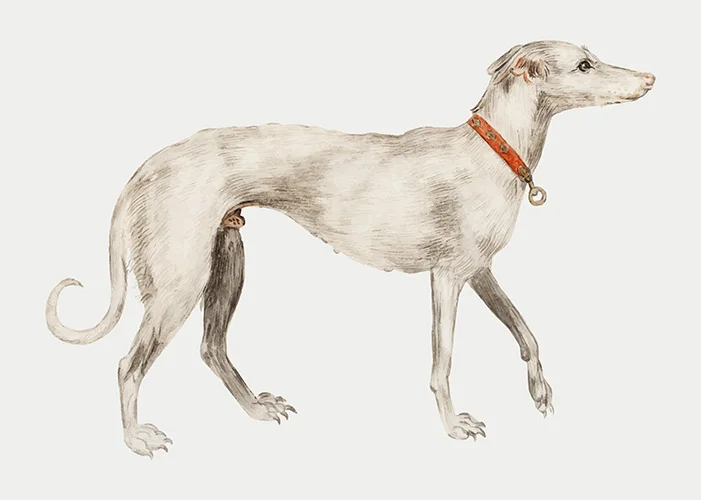
Greyhound Separation Anxiety. Photo of an elegant greyhound with a collarGreyhound Separation Anxiety

Greyhounds are one of the oldest breeds of dogs whose roots can be traced 8,000 years back. They are gentle and sweet-natured companions with an independent streak. First bred as a hunting dog, the greyhound is bred for racing in more recent times.

Being a racing dog, your greyhound has lived its life in the presence of other greyhounds. First with siblings and then in the presence of other racing dogs. When they are adopted into your home, it may be the first time they are alone. They do not take it well and can become distressed and also panic when left alone. This separation anxiety is dangerous for greyhounds. They can injure themselves in the process.

Our article takes you through everything you need to deal with concerning anxiety in your greyhound.

Greyhound Separation Anxiety

Greyhound separation anxiety is a common behavioral problem in a retired racing greyhound. A greyhound is a sensitive dog and can get attached to the pack or its family. Unfortunately, some can display anxiety, especially when you(family) leave or return home. Sometimes, it is caused by the owners when they fuss over the dog when leaving or returning. Dogs pick on the cues and start getting anxious when the pack leaves or returns home.

Crate training is a great way to teach your puppy to settle down and self-soothe itself in the crate.

Do All Greyhounds Have Separation Anxiety?

Greyhounds do not prefer being alone and hence can have separation distress. From the time they are born, they have company most of the time. First with their siblings and then with other greyhounds. So, being alone can be daunting for them. Your greyhound may need time and patience to assimilate to the current situation. Adopting or fostering another greyhound can help him to a great extent with the anxiety.

How Long Does it Take for a Greyhound to Settle?

Most greyhounds do not trust their new owner right away. And you may not see its personality for another few days. It can take anywhere between 3-5 days to get comfortable. However, the transition period is 4-6 weeks, by which time your new greyhound will adjust to its new life.

Keep in mind; the training starts as soon as you adopt your dog.

Where Should a Greyhound with Separation Anxiety Sleep?

Greyhounds with separation anxiety enjoy sleeping closer to you but not in the same bed. Prepare a comfy bed adjacent to yours and close the door. Do not allow them to roam at night. They are used to small places and can help your greyhound feel secure in them. However, avoid crates at night.

How Do I Stop My Greyhound from Having Separation Anxiety at Night?

Separation anxiety is one of the common behavioral problems in retired racing greyhounds. They generally sleep with their pack. Now that they are with you, you become their pack. And hence prefer to sleep with you at night. When that’s not possible, they have anxiety even when you are at home. They feel removed from the pack and become insecure.

Apart from that, the anxiety may also be due to underlying medical issues. For example, arthritis, noise phobia, and failing senses like sight and hearing can stress your dog causing anxiety.

As pet owners, you can follow the routines below to prevent separation anxiety at night.

  • Allow them to sleep in the same room as you. However, rather than being in bed, place a dog bed closer to yours.
  • Calming dog beds do wonders to provide a comfy sleeping spot for your greyhound. In addition, their donut shape provides safety and comfort to your greyhound.
  • Using diluted oils can help the dogs to calm down and help them to go to sleep. For example, vetiver Lavender, Rose Hydrosol, and Violet Leaf help with separation anxiety.
  • A bedtime treat can help an anxious dog wind down and get ready for bed. When making this, a regular habit can signify bedtime.
  • Music can have a calming effect, like with humans. Classic and reggae music can help calm your greyhound, while white noise helps with noise phobia.
  • A soft and cuddly toy can comfort them through their nighttime anxiety.
  • A tired dog can fall asleep quite fast and in a deep sleep. Increasing the amount of exercise can calm the nervous energy at bedtime.

Do Greyhounds Mind Being Left Alone?

Your greyhound can do well when you are away at work. However, you cannot leave it alone for long periods. Therefore, you may want to hire a dog walker for your pet, at least in the beginning.

How Long Can a Greyhound Be Left Alone?

Greyhounds can handle being left alone much better than other dogs. The recommended time away from your dog is 6-8 hours and not more than that. Beyond this, your greyhound can become bored and lonely, leading to separation anxiety. Dogs with extreme separation anxiety may indulge in destructive behaviors. Chewing, digging, and excessive barking are not uncommon. Few may also urinate within the living quarters.

Do Greyhounds Have Anxiety?

Anxiety is widespread among greyhounds, both racing and retired. As a result, almost 60% of the dogs have been returned to the shelters with issues related to the same. They also account for 90% of the referrals to veterinary behaviorists.

How Do You Deal with Greyhound Separation Anxiety?

Understanding anxiety is the key to dealing with an anxious greyhound. Above all, you need to recognize the signs of an anxiety attack and remove them from the situation. Unfortunately, the most common reaction to the triggers is to freeze with a glazed look.

Instead of ignoring your dog’s fears, acknowledge them and stay calm and collected. It shows your dog that there’s nothing to be scared of. And, do not force it into scary situations. This tends to make the situation worse and can escalate into aggression.

Start with controlled exposure to a wide variety of low, threatening sounds and experiences that can help your dog. However, this has to take place when it is calm and not in stress.

What Helps an Anxious Greyhound?

As a rehomer, you need to understand anxiety and its consequences in everyday life. Hence, a behavioral assessment is vital for a greyhound adoption program. This is to ensure that you are aware of the temperament of the greyhound and its limitations.

To start with, ease your greyhound to new surroundings with controlled exposure and not in an off-leash park. Painful conditions and illnesses also contribute to anxiety. Hence, take your greyhound to a veterinarian for an assessment. It can be anything from dental pain to spinal pain and even arthritic conditions.

How Do You Calm an Anxious Dog?

Learn the signs of anxiety and its triggers can go a long way in helping your greyhound. But, first, remove them from circumstances that cause fear.

Here are a few other things you can do to calm your greyhound.

  • Use exercise as a bonding session with plenty of physical contact. Also keep talking to them. Anxiety can create excessive energy in your greyhound. Taking your dog for long walks or out for playing can tire him out.
  • Much like human beings, a soothing massage can help them calm down and relax. Keep one hand on him at all times while you massage with the other.
  • Isolate your dog in a calm and quiet place, if possible in his crate. You can also play some music with low lights and aromatherapy.
  • Spray “Rescue Remedy” on to soothe your dog. It’s a combination of scents that relieves stress and creates a calm environment for pets.
  • An anxious dog can benefit from a calming coat to a large extent. It gives a constant soothing pressure on the torso, which can help calm the dog.
  • Above all, your physical touch can go a long way in calming your dog when acting stressed.

Why Is Anxiety Common in Greyhounds?

Understanding greyhound separation anxiety helps you go a long way to understand your dog better. You can also handle the animal better during nerve-racking situations.

Early conditioning, socialization, and acclimatization are vital for normal social development. They also need to be exposed to new and distinct things in the first year of a dog’s life. But in the case of a greyhound, it is raised in paddocks with minimal human intervention for 12-15 months. They are also devoid of everyday household sounds and sights that other dogs take for granted in this period. Furthermore, they do not experience any human touch. This makes the transition quite difficult for the dog.

When retired, they are thrust into a domestic environment and lose their structure. On top of that, rehoming is quite tricky and stressful for any dog. This can manifest as fear and anxiety. Post-traumatic stress can result in extreme fear may also result in anxiety in a greyhound.

On a final note, the genes also decide how much anxiety a greyhound has. Diseases and anxiety are inherited and can be passed down through parents or their pups. However, when seeking speed and strength, these tend to be overlooked.

How to Recognize Greyhound Separation Anxiety

Anxiety is the constant anticipation of fear which may or may not be real. The dog will be in a constant state of turmoil. This can be exhausting and affect the judgment over time. Unless they are terrified, your greyhound can exhibit subtle signs of anxiety. However, being undetectable they are often ignored.

Here are a few signs that a greyhound may exhibit in times of anxiety:

  • Greyhound Separation Anxiety - Anxious Puppy Hiding Under BlanketLicking lips (anxious dogs have a pink-stained muzzle)
  • Whining
  • Fight or flight response
  • Yawning
  • Freezing or shutting down
  • Hiding
  • Hypervigilance
  • “Velcro dog” behavior where the dog follows you everywhere
  • Tail tucked low and tight
  • Destructive behavior
  • Restlessness
  • Growling and biting
  • Lack of appetite
  • Chronic diarrhea

How Do You Treat Anxiety in a Retired Racing Greyhound?

Unlike other dogs, greyhounds have an unusual upbringing. They stay with their littermates for a good portion of their first year. Then, at one year of age, they go for training. By 15 months of age, they move to a race track. When in training or a racing kennel, these dogs are surrounded by other greyhounds.

Once they retire, for the first time in their lives, they are alone. So, it makes perfect sense to have behavior problems and anxiety. However, with careful handling and training, you can treat the anxiety.

  • Crates: Your greyhound has been in a crate for the better part of its life. Crates can protect your dog and your home from him. In the same way, place your dog in his crate 15 minutes before you leave home. It helps him to settle in.
  • Reward calm behavior: Wait until your greyhound is calm and collected before you let him out. Do not let your arrival home be the most exciting part of the day for him. Do not talk or pet or cuddle him when he is anxious.
  • Treat dispensing toys: Make his mealtimes more interesting by including food puzzles. This way, he can have a positive experience even you are not home.
  • Kong toy: Frozen kong toy filled with peanut butter can keep the dog busy. You can also replace it with bully sticks, chew toys, or bones that can keep him busy. However, you may want to adjust his meal timings and amount.
  • Watch your tone: The high-pitched squealing tone of your voice when you come home creates excitement.
  • Supplements: Dog treats packed with supplements can help manage anxiety.
  • Medical intervention: Medication can help your greyhound to relax. He can gain control of himself and also unwind when alone.

Crate Training for a Greyhound

Greyhounds are used to living in crates with other dogs. As a result, they find crates safe and secure. On the other hand, the regular sounds and smells of your home are rather new and stressful. They may find a crate safe and secure. In addition, frequent use of a crate can help the transition easier for a new dog.

To start with, introduce him to the crate in short periods. And then, as the days go by, increase the time he spends in it. Let it be his personal space. Ensure that you feed him in his crate. Let the dog stay in the crate when he is excited. Do not let him out when he is making noise.

However, for many dogs, particularly those with anxiety, being in and out of a crate can be stressful. As a result, they may try to push or chew their way out of the crate. In this case, a large wire crate can keep your new greyhound safe unsupervised. It should be big enough to allow him to stand upright, turn around, and lay down in a comfortable manner.

Should Greyhounds Sleep in a Crate?

Yes! Greyhounds can sleep in a crate at night as long as he is crate trained. Moreover, he should have enough out-of-crate time during the time. Do not forget a potty break before they go to sleep. Many greyhounds prefer to sleep in one, enjoying the safety it provides.

How Long Should I Crate My Dog?

As a general rule, do not confine your greyhound in its crate for more than 8 hours. If you are crating it for more than 8 hours, you need to have a dog walker come in to walk him. Older dogs and puppies need more frequent breaks. In case you are crating him at night, ensure that they have enough time outside the crate. You can consider a doggy daycare or a pet sitter as an alternative.

You can leave a crate-trained dog with the door open so that he can come and go as he likes. This allows him to be comfortable in his den-like environment.

Conclusion

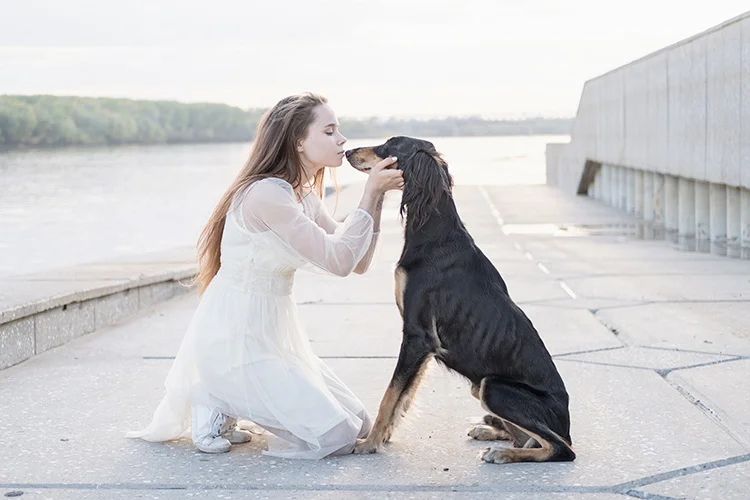
Female Owner Calming Greyhound. Greyhound Separation Anxiety. Owner giving loveIt is natural for you to ensure that your greyhound has a wonderful place to live with enough toys and great food. However, it is not enough for your dog. Greyhounds, in particular, need direction and boundaries. This will give the dog a sense of security in his new environment.

Most dogs experience some kind of anxiety at some point in their lifetime. Being aware of the anxiety-inducing situation can help you better handle your greyhound. Exercise, soothing music, and a full belly can help a greyhound with its anxiety.

Crate training can also help your dog with its anxiety since it mimics a den-like environment. For a crate-trained dog, it is a safe and secure place where he likes spending time. In fact, many dogs prefer sleeping in crates at night where they can enjoy relative safety.

How Can Pets Improve Your Health?

Health Benefits of Owning Pets - Woman Loving Her CatWhether they be dogs, cats, reptiles, birds, or even fish, pets bring unconditional love into our lives. And if that isn’t reason enough, research shows that owning a pet makes you happier and even improves your life and health.

According to one study by American Animal Hospital Association (AAHA), 90% of the pet owners acknowledged that the pet affected their quality of life.

  • 31% increased fitness
  • 65% better mental health
  • 76% reduced stress level

The special bond that you share with your pets positively affects your well-being and has many health benefits. This article takes you through the power of pets in your health, the many ways pets can improve your health, various health benefits, and much more.

Power of Pets

Approximately 68% of American households own a pet. While studies on human-animal interaction are relatively low, they have shown that pets undoubtedly have a positive health effect. A study by the National Institutes of Health in partnership with Mars Corporation’s WALTHAM Centre for Pet Nutrition analyzes the effects animals have on humans. They are also looking into the potential physical and mental health benefits for animals such as fish, guinea pigs, rabbits, cats, and dogs.

Ways Pets Improve Your Health

Studies have shown that owning a dog or cat can improve your health in many ways. They help fight stress, chronic pain, depression and even reduce allergies. Owners should take time out to get out, walk your dog and clear your mind. Pets also help you feel better. Interaction with animals decreases the levels of the stress hormone, Cortisol, and also blood pressure. Pets also support and comfort their human companions when they are in pain or terminally sick. For this same reason, therapy dogs are brought into hospitals to reduce anxiety and stress.

Let us consider these health benefits in more detail.

Lower Blood Pressure and Cholesterol

According to the researchers from the State University of New York at Buffalo, petting your cat or dog brings down your blood pressure. It may be due to the calming effect animals have on their owners. Another study, this time by CDC, suggests that people who have pets tend to have lower cholesterol and triglyceride levels, especially in high-risk patients. While the reason isn’t apparent, scientists think it may be due to the active lifestyle you lead to take care of your pet. While you may still have to maintain your weight and exercise, having a pet can also aid you in keeping your blood pressure levels down.

Stronger Immune Systems and Prevent Allergies

Children growing up in a home with dogs and cats tend to have a robust immune system and are less likely to develop allergies. In addition, doctors have observed higher levels of certain chemicals in their system, which attribute to their higher immunity. This keeps them healthier as they grow older.

Pet fur and dander seem to be some of the crucial triggers of allergies. However, exposing them to pet dander in the first year of life reduces the risk of getting asthma. According to a study by the Journal of Allergy and Clinical Immunology, newborns who coexist with cats have a lower risk of developing asthma, bronchiolitis, and pneumonia.

Relieve Stress and Depression

Pets listen to you as long you talk and without interrupting. This interaction, along with walking, grooming, and playing, assists you in your recovery from depression. In addition, it helps you feel better about the way you spend your time.

We live in a world of stress from the frantic pace of modern life. This has taken a toll on our bodies by increasing the risk of heart disease. Contact with pets counteracts this response by lowering the stress hormone. Furthermore, pets can help ease anxiety, reduce loneliness and boost mood in seniors bringing a see of calmness. Studies show that 10 minutes of petting a dog or a cat can lower the cortisol levels in college students, easing the pre-exam stress.

Boost Heart Health

Health Benefits of Owning Pets - Boost Heart HealthOne study observed that dog owners did at least 30 minutes of walking. In addition, they were 54% more likely to get the recommended level of physical activity. Research, this time by the NCBI, suggests that cat owners are 40% less likely to have a stroke and 30% less likely to have a heart attack. Similarly, dog owners have a better survival rate one year after a heart attack.

Generally, pet owners are less likely to have heart disease, including heart failure. Having a furry friend, especially a dog, helps to reduce the risk of cardiovascular disease. According to AHA (American Heart Association), dog ownership has been long associated with reduced cardiovascular disease.

Childhood Development

Emotional development is critical for a child to become a healthy adult. And pets are beneficial in this cause, especially in children with developmental disorders.

According to a study in 2016, at least 1 in 54 8-year-olds had autism or ASD. Children with autism can find pets soothing and also help better connect with others. As such, animals such as dogs are used in therapy programs for autistic children. A study saw little ones with ASD relaxed and laughed more in the presence of guinea pigs. Other than dogs, horses, chickens, and alpacas are also used in therapy programs. Moreover, children with ADHD respond better to therapy when there’s a dog nearby as they have shown to be a soothing presence. Your pet can help develop a predictable routine suitable for a child with ADHD.

A Better Quality of Life

Dogs, especially therapy dogs, help people recovering from injuries or illnesses such as stroke. Petting a dog can help rebuild strength during the recovery phase. These dogs are trained to understand commands and help people in need, especially those with aphasia. Furthermore, horses help stroke patients recover, stretch muscles, build core strength and regain balance.

Pets are super sensitive to people who are sick and can help take the mind off the condition. Walking and playing with your pet help conditions such as rheumatoid arthritis. Sometimes, their presence in itself can be calming and help feel better.

Bring Your Family Closer

According to Rebecca A. Johnson, Ph.D., director of the Research Center for Human-Animal Interaction at the University of Missouri College of Veterinary Medicine, having a pet can help bring the family closer. Whether it is feeding your dog or cat, or your kids waking your dog, it helps bring the whole family together. Pets help the bridge between generations providing a convenient and easy topic to relate to. Additionally, kids learn responsibility, caring, and how to treat others with kindness.

Health Benefits of Owning a Pet

A pet can be a good friend to someone who lives alone and needs companionship. However, while we are aware of the joys that come with their companionship, not everyone knows about the many physical and mental health benefits.

  • Studies have shown that dog ownership was associated with a 24% reduction in people dying of any cause.
  • A loyal pet can understand the emotions and words of its owners. As a result, they can reduce anxiety and boost your mood. Additionally, they are also excellent companions for children and older adults alike.
  • Most pets, particularly dogs, require structure in their daily lives. Maintaining a routine for the pets helps you to have a structured and organized life.
  • Researchers say that dog owners walk close to 30 minutes every week. Add in a game of fetch, and you have gotten more exercise than before. Germany is considering enacting a law that forces pet owners to walk their pets for at least an hour every day.
  • Pet-assisted therapy helps cancer patients both emotionally and physically. They not only help with loneliness and despair but also motivate them to eat and follow the treatment plan.
  • Your pet can make you more approachable and help you make friends. For example, one study found people in wheelchairs receive more smiles and conversations. Another study found students more comfortable with psychotherapists with a dog and more likely to disclose personal information.
  • Cats and dogs offered comfort and social bonding to people who have Alzheimer’s and dementia. In addition, studies show that pets can reduce behavioral issues, boost their moods and increase their nutritional intake.

Practice Good Pet Hygiene

Practice Good Pet Hygiene - Cat in Litter BoxPets can spread disease-causing germs to humans. However, practicing good pet hygiene and handwashing help prevent the spread of germs. In addition to that, keep your dogs and their supplies out of the kitchen and food preparation areas. Clean your pet’s litter box daily to reduce the chance of exposure to harmful parasites. Never clean the pet supplies in the kitchen or bathroom sink or in any food preparation areas.
Keep children away from areas where dogs and cats poop. They might contain parasites and can get hookworms. Use a bag and gloves to pick up the dog’s feces (poop) and dispose of it in the appropriate areas. Properly disposing of your dog’s waste and properly disinfecting your cat’s litter box in your home positively impact pets and people. Keep in mind that pregnant women should avoid changing the litter box if possible. If unavoidable, use gloves and dispose of them soon after.

Conclusion

When you adopt a pet, you not only improve the quality of their life but also your own life in the meantime. The love and companionship of a pet do wonders for our well-being. More than that, they also have quite a few health benefits ranging from cardiovascular health to fitness and even mental health. Pet owners are often happier with higher self-esteem and even physically fit.

Pets teach compassion and responsibility to children. However, their interaction should be supervised, especially those under five years of age. Teach them general hygiene and instruct them to wash their hands after playing with pets.

Pets are most loving and can bring happiness and a better quality of life to their owners’ lives. But do not buy an animal, adopt one. By adopting a pet, you not only give it a home but also save its life. In Tucson, Santa Cruz Pet Clinic is a world-renowned and trusted veterinarian that you desire for adopting your very own pet and providing it the proper vaccinations at the proper time. Contact us today to schedule your pet’s vaccinations and check-up.

Dog Health Issues by Breed

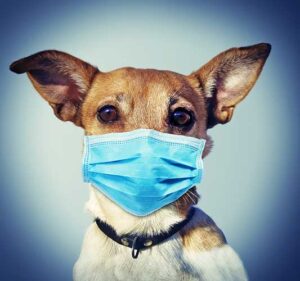
Dog Health Issues by Breed - Dog Wearing MaskAccording to the American Pet Products Association research, Americans spent about $31.4 billion in vet care for their beloved pets.

Watching your pet struggle is one of the most painful experiences a pet owner could go through. Yet, despite all your tender care, there’s nothing you can do, and health issues can plague its short life.

While purebred dogs are attractive for their traits, the selective breeding process is also the reason for many inherited diseases. Our article takes you through the various dog health issues you may face depending on the breed, their health concerns, and much more.

Why Do Certain Dog Breeds Have Health Problems?

Genetics is the most important cause of dog health problems in purebreds. The reason being the centuries of selective breeding. Due to this, these breeds have more genetic disorders and diseases compared to the others.

Apart from genetic issues, there may be health issues due to the dog’s size. For example, Great Danes and Irish Wolfhounds are prone to hip dysplasia due to their large size. On the other hand, smaller breeds like chihuahua are at a greater risk for injury due to falls.

Common Health Conditions in Dogs

Like humans, pets are also susceptible to sickness, few more than others. Keeping your dog healthy and routine wellness visits can minimize such occurrences and help you discover them at an early stage.

Here are some of the common health issues found in dogs:

  • Cancer – Dogs develop cancers such as melanoma, lymphoma, prostate cancer, breast cancer, to name a few, in their old age.
  • Vomiting – While vomiting is not always serious, it can also be a sign of gastrointestinal (GI) blockage, toxicity, and many other serious diseases.
  • Diarrhea – Diarrhea in itself isn’t an emergency but visit a vet if it is accompanied by vomiting and lethargy.
  • Arthritis – Arthritis is prevalent among older dogs. It is very difficult to spot an animal with arthritis since it would rather not show discomfort.
  • Urinary Tract Infections – Dogs, especially puppies, can get urinary tract infections. The signs of the disease include frequent urination, inappropriate urination, bloody urine, increased thirst, lethargy, etc.
  • Parasites – Parasites may be internal like heartworms (grows inside of heart and lungs) and external like flea or tick (causes paralysis, blood poisoning, or even death).
  • Kennel Cough – Kennel cough is a common and harmless condition; all your dog needs are just some good food and rest.
  • Ear Infections – Quite common among dogs, ear infections are caused by dirt, dust, or grass seeds getting lodged in the ears.
  • Skin Allergies – Dogs experience a variety of skin issues characterized by red, inflamed, and scaly skin.
  • Dental Disease – Dental disease is a serious yet often overlooked condition in pets since it does cause not only damage to the teeth and gums but also heart disease and failure.

Healthiest Dog Breed

Belgian Malinois is one of the healthiest breeds with endurance and strong athleticism. They are high-energy working dogs that are pretty intense and are not a choice for people with no experience. Furthermore, they are guard dogs as well.

They are nearly always free of liver or kidney disorders and rarely have heart issues.

Longest Living Dog Breeds

Dogs age differently than humans and have a pretty short life expectancy of 8–15 years. However, depending on the quality of care, few breeds can live well above the predicted life expectancy.

Here are some of the breeds that have the longest life span:

  • Australian Cattle Dog (Blue Heeler)
  • Australian Shepherd
  • Maltese
  • Beagle
  • Shih Tzu
  • Lhasa Apso
  • Cockapoo
  • Jack Russell Terrier
  • Toy Poodle
  • Chihuahua
  • New Guinea Singing Dog

An Australian Cattle Dog named “Bluey” is the oldest recorded dog in history, having lived to 29 years and 5 months.

Low-Maintenance Dog Breeds

Dachshund - Low-Maintenance Dog BreedDachshund makes for excellent companions due to their affectionate nature. Unfortunately, they also have short legs and can only take short walks.
Though they are stars of the racetrack, Greyhounds are some of the lowest maintenance pets out there. They have low grooming needs and do not need much exercise either.

Other low-maintenance dog breeds include pug, chihuahua, Yorkshire terrier, to name a few.

Dog Breeds with Most Health Problems

While no breeds are 100% healthy, certain breeds tend to have more diseases than others. Here are some of the most unhealthy dogs:

  • Shar Pei
  • Rottweiler
  • Weimaraner
  • Cocker Spaniel
  • German Shepherd
  • Bulldog
  • Golden Retriever
  • Chow Chow
  • Boxer
  • Great Dane
  • French Bulldog
  • Dobermann Pinscher
  • English Bull Terrier
  • Bernese Mountain Dog

Famous Dog Breeds and Their Health Issues

Due to selective breeding, some dogs are susceptible to diseases mostly inherited through the bloodline. Unfortunately, though sad, it is a reality most pet owners must face when they buy or adopt a dog.

Here are some of the dog health issues based on breed to help you make a well-informed decision.

Cocker Spaniel

Cocker spaniels have the highest number of health issues amongst all dogs. They are prone to a variety of orthopedic issues, epilepsy, heart and liver disease. Cocker spaniel is also at risk for eye disorders, namely cataracts and glaucoma. Its floppy ears are also the cause of ear infections.

Saint Bernard

Being a large breed dog, saint bernard suffers from bone cancer and cardiac disorders.

Siberian Husky

Siberian huskies are predisposed to a host of autoimmune ailments, most of which affect the skin, causing sores and hair loss, mainly on the face. One such condition leads to eye problems such as cataracts and glaucoma.

Bulldog

Bulldogs suffer from respiratory problems. The results of smashed-in faces of the breed cause small nostrils, elongated soft palate, and a narrow trachea.

Pug

Pugs with their characteristic bulgy eyes and squashed faces are at peril for breathing problems and eye problems. In addition, the eyes can pop out of their socket in case of any accidents or fights. If the damage is severe, he may lose eyesight. But generally, they are a healthy breed with a long life.

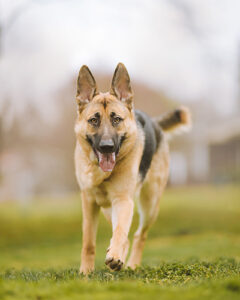
Dog Health Issues - German Shepherd BreedGerman Shepherd

German shepherds are famous for being family dogs as well as guard dogs. Being a large breed, it is at risk of hip dysplasia which causes walking problems, pain, and arthritis. Another disease commonly found in german shepherds is degenerative myelopathy (DM), also known as chronic degenerative radiculomyelopathy (CDRM), an untreatable condition that results in progressive paralysis.

Labrador Retriever

Under-exercised labrador retriever is prone to weight gain much more than other dogs, which bring a host of other health problems. They are also genetically prone to hip and elbow dysplasia. Other genetic diseases include eye issues such as progressive retinal atrophy.

Beagle

Beagles are more susceptible to epilepsy, a brain disorder that causes seizures. They will have their first seizure between 6 months to 3 years old.

Shih Tzu

Toy breeds like Shih Tzu tend to develop wobbly kneecaps or patellar luxation. The kneecap can pop out of place, causing the dog to limp, hop or skip a step. While it can easily pop back into place but severe cases may need surgery.

Boxer

The muscular breed is predisposed to heart conditions, thyroid problems, skin allergies, bloat, and elbow dysplasia. They have a higher chance of developing cancers, including mast cell tumors and lymphoma. If caught early, both these cancers are treatable.

Doberman Pinscher

Dilated cardiomyopathy is common among Doberman Pinschers, so much so that most owners do not know that their dogs have it until the dog collapses. While medications can regulate the heart rhythm, there is no cure.

Yorkshire Terrier

Small breeds like Yorkshire terrier are susceptible to Portosystemic shunt, a blood vessel birth defect. In addition, they are prone to digestive problems and hereditary liver defects portosystemic shunt. As with other toy breeds, tracheal collapse is also possible.

Golden Retriever

Golden retrievers tend to suffer from skin allergies caused by plants of pollen. Otherwise, they are also susceptible to hip and elbow dysplasia.

Toy Poodle

Toy poodles are at the risk of developing bladder stones which can be dangerous if not treated at the right time.

Rottweiler

As with other large breeds, Rottweiler is at risk for developing joint issues such as hip and elbow dysplasia, osteochondrosis dissecans (OCD), a degenerative bone disease, and arthritis. They may also develop epilepsy.

Miniature Schnauzer

Miniature schnauzers are at a higher risk of developing diabetes than other dogs. Apart from that, they can also have epilepsy, pancreatitis, and portosystemic shunts (liver shunts).

Chihuahua

Chihuahuas have a life expectancy of 18 years; But being a toy breed, it has a collapsing trachea.

Dalmatian

The most common defect you’d see in a dalmatian is deafness. They also tend to develop kidney or bladder stones.

Great Dane

Otherwise called gentle giants, Great Danes are family dogs. They tend to develop gastric dilation and volvulus syndrome (GDV). Another health concern affecting the great Dane is hip dysplasia, commonly seen in large breeds.

Shetland Sheepdog

Shetland sheepdogs are affected by a group of eye problems called collie eye anomaly, which affects the retina and optic nerve. On a lesser note, they are also prone to develop dermatomyositis or Sheltie Skin Syndrome.

Maltese

Though Maltese do not have many health problems, they are often plagued by little white shaker syndrome. It is an inflammation of the cerebellum which causes the shaking bad enough that the dog cannot walk. The condition is seen in dogs that have a white color coat.

French Bulldog

Much like the English bulldog, the French bulldog also develops respiratory problems known as brachycephalic airway syndrome. As a result, they tend to struggle to breathe when overheated.

Boston Terrier

Due to their protruding eyes, Boston terriers are susceptible to a variety of eye issues, particularly the cherry eye.

Basset Hounds

Basset Hounds have floppy ears and sad eyes. In addition, they can develop intervertebral disc disease, which can affect the spine, making it difficult to walk.

Irish Setter

Though Irish setters are hardy, they are also predisposed to hereditary diseases such as hip dysplasia, progressive retinal atrophy, bloat, epilepsy, and bone cancer.

Cavalier King Charles Spaniel

Most dogs often develop heart problems in their old age. However, Cavalier King Charles Spaniel develops degenerative mitral valve disease (DMVD) quite early on.

Things Pet Owners Can Do to Minimize Suffering

Not only does poor health wreck havoc on your dog, but it also takes a toll on you too. Here’s what you can do to minimize the suffering:

  • Educate Yourself – Educate yourself about the health issues faced by your pup and the symptoms. Most of these, when caught early, can help avoid complications.
  • Non-traditional Treatments – Apart from the traditional methods, you can also look for nontraditional treatment options such as homeopathy, acupuncture, chiropractic care, supplements, etc. Another non-traditional treatment is stem-call therapy which introduces healthy new stem cells to the tissues.
  • Use a Reputable Breeder – Always buy your pup from a reputable breeder. In addition, they should have their dogs screened by reputed organizations such as American Kennel Club.
  • Good Health Is Better than Good Genetics – If you are the owner of such a breed, learn to spot the symptoms and adopt a healthy lifestyle. This helps your pet to live a pain-free life.

Is Breeding Harmful to Dogs?

Overbreeding a dog more than it could handle is terrible for the health of the mother as well as the pups. They also lead to overpopulation resulting in the euthanasia of unwanted animals.

On the other hand, inbreeding leads to life-threatening congenital disabilities like hip dysplasia, blindness, deafness, heart defects, skin problems, and epilepsy in purebred pets.

Common Health Problems Due to Breeding

Common Dog Health Problems Due to BreedingThe breeding process of purebred dogs causes a variety of health concerns that affect the body and behavior. For example, the flattened nose of a bulldog or a pug is caused by selective breeding, but these dogs have breathing problems, among others, due to their short nasal cavity.

Here are the consequences of breeding on dogs:

  • Hearing Loss
  • Orthopedic Problems
  • Cancer ( Leukemia and Brain Tumors)
  • Blood Disorders
  • Diabetes
  • Skin Problems

Conclusion

Do your research before purchasing your dog. Find out about the hereditary problems that may creep in later on.

Then find reputable breeders. Ask your friends, family, or local kennel clubs and rescue groups and weed out unscrupulous characters. Once you have decided on the breeder, ask for the health of the parents. And more importantly, get the pups screened for genetic issues. Do not purchase a puppy without the necessary documentation.

Your pet’s health is important. In Tucson, Santa Cruz Pet Clinic is a world-renowned and trusted veterinarian that you desire for getting your pet the proper vaccinations at the proper time. Contact us today to schedule your pet’s vaccinations and check-up.

Does My Dog Need Vaccinations Before Being Neutered?

Neutering DogOwning a pet comes with responsibilities. And vaccination and spaying/neutering are the first and foremost of them.

While both of them are not mandatory, they are crucial for the well-being of your pet. Vaccination helps prevent harmful diseases, while spaying is important for unwanted pregnancy prevention.

Our article brings you everything you need to know about neutering, from the appointment to surgery and its care, instructions, vaccinations, and more.

Do Pets Need Shots Before Being Neutered?

Getting your pets inoculated is a personal choice. However, local and state laws may make a few shots like rabies mandatory for all animals.

This remains the same for neutering, too; Though it is up to you to get your pet vaccinated, vets often prefer the vaccinations to be completed before neutering.

Clinics are often skeptical to neuter unvaccinated pets due to the high chance of infection resulting from the surgery’s side effect. Vaccinated animals are generally protected against diseases such as parvovirus.

Timeframe Between Vaccinations and Spaying

Not only do vets require vaccinations before the spay, but also a full three-four weeks before your pet’s surgery.

While this is the norm, it may change depending on the spay-neuter clinic and your pet’s age.

An inexpensive veterinary clinic may choose to accept an animal that is not vaccinated or choose to vaccinate them the same day as the surgery.

Can You Vaccinate and Spay at the Same Time?

It is not advisable to vaccinate a pet at the time of surgery or during times of illness. Vaccines stress the immune system, so does your pet’s surgery. And your pet needs a fully functioning immune system to prevent any infection.

Shots Before Spaying & Neutering

It is safer for the pets to have completed their initial set of vaccines before the surgery. Unvaccinated pets run the risk of contracting illnesses from other animals in the veterinary clinic and also have a higher chance of infection after the surgery.

Shots Before Spaying & NeuteringHere are the mandatory shots that a pet requires before a spay-neuter surgery.

Dogs

  • Rabies
  • DAPPv

Cats

  • Rabies
  • FVRCP

How Do I Prepare My Pet for Neutering?

Neutered pet is generally less aggressive, better behaved, and also have reduced chances of diseases like testicular or ovarian cancer.

Here are a few things you may want to do to get your pet ready ahead of the appointment.

  • Take your pet for a checkup which might be a physical examination or pre-operative blood panel. This helps to identify any health conditions that can make the procedure risky or may require attention.
  • Dogs must arrive on a leash, and cats must be in their carrier. Ensure that they are trained to stay in for extended periods of time.
  • Pets must be vaccinated at least a week prior to surgery.
  • Be prepared according to the pre and post-surgery instructions given by the veterinarian.

Pre-Surgery Instructions for Pets

Familiarize yourself with the instructions prior to your pet’s surgery for smooth sailing.

The Night Before Surgery:

  • Keep your pet indoors the night before surgery.
  • Provide your cat with a litter tray.
  • Please maintain a regular feeding schedule until the a.m.

The Morning of Surgery:

  • Make sure that they are clean and dry.
  • Please allow the patients to relieve in the a.m.
  • Four months or younger patients can eat half the amount of their regular diet.
  • If your pet is five months and older, give a quarter of their regular food on the morning of surgery.
  • Please allow them to have water up until the surgery.
  • When arriving for surgery, please bring your pet in a crate or carrier.
  • Arrive 10-15 minutes before your appointment time.

Pre-Anesthetic BloodworkPre-Anesthetic Bloodwork

Vets generally recommend pre-anesthetic bloodwork for pets undergoing sedation or anesthesia. This bloodwork allows your vet to assess your pet’s overall health, checking for liver and kidney problems, etc., thus ensuring that your pet is a good candidate for anesthesia.

Please read this article for more information on the various types of pre-surgical blood tests that are available and what the benefits are for administering them to your pet.

Best Age to Neuter Dogs and Cats

The ideal age to neuter dogs and cats are as follows:

  • Male dog: five to nine months
  • Female dog: six months before their first heat cycle
  • Male cat: four to five months
  • Female cat: four to five months

While the above is a general consensus among vets, it may change depending on the animal’s age and breed and the spay-neuter clinic. Few clinics pets as long as they are eight weeks of age and weigh 2 pounds, mainly in the case of shelter animals.

Post Surgery Care for Pets

Spaying and neutering are major surgeries. Your pet needs to be cared for to prevent infections.

Ensure that you follow the surgery instructions as per the vet:

  • Limit the pet’s activity for 7-10 days to allow for recovery. Place him/her in a carrier big enough for them to stand up.
  • Feed them half the amount of their regular food when you bring them home and an additional meal later on.
  • Look out for lethargy, diarrhea, or vomiting for more than 24 hours after the procedure.
  • Keep the incision dry, and do not bathe them for ten days.
  • Use a cone to prevent them from licking or chewing the incision.

Conclusion

Arrive a few minutes ahead of your appointment to have a stress-free environment for yourself and the animal. Please note that you must follow the pre-op and post-op surgery instructions as mentioned by the veterinarian for the safety of the pet.

Discuss the instructions with your vet, whether it is the next day or the night of the surgery. Few vets prefer 24 hours observation for the animal. Be prepared to provide your pet with physical and emotional support to help him/her recover quickly.

Contact Santa Cruz Vet to Schedule Neutering Surgery & VaccinationYour pet’s health is important. In Tucson, Santa Cruz Pet Clinic is the trusted veterinarian that you desire for getting your pet the proper vaccinations at the proper time. Contact us today to schedule your pet’s vaccinations and spay-neuter surgery.

Other timely, related articles you may enjoy:

Your Complete Guide to Puppy Vaccinations

Puppy VaccinationDid you know scientists first developed the animal vaccine way back in 1879? Back then, an epidemic would wipe out hordes of animals, leaving the farmers ruined financially. While you cannot ensure your puppy’s health, you can start with the vaccine. Vaccines help protect your new puppy from a host of life-threatening fatal illnesses. Some are mandatory, and the others are primarily dependent on the location and the lifestyle of the puppy. According to American Animal Hospital Association, puppies should be vaccinated starting from 6-8 weeks of age. Our article brings to you everything you need to know about the vaccination process, the shots your puppy needs, its vaccination schedule, and much more.

What Shots Do Puppies Need?

Vaccines protect your puppy against potentially dangerous or even deadly viruses. Below are the potential vaccines that your veterinarian may suggest for your puppy. You must know the essential vaccines and the optional ones.

Canine Parvovirus (CPV)

A highly contagious virus that affects the central nervous system causing vomiting, loss of appetite, weight loss, fever, and severe bloody diarrhea leading to death in 48-72 hours; There is no cure, and unvaccinated puppies, four months and younger, are highly susceptible.

Rabies

A virus transmitted through the bite of rabid animals; affects the central nervous system causing excessive drooling, anxiety, headache, hallucinations, paralysis, fear of water, and eventually death. Check with your vet for rabies vaccination laws since it is mandatory in most states.

Bordetella Bronchiseptica

A highly infectious bacteria that is the primary cause of kennel cough. It is characterized by severe coughing, vomiting, whooping, and in rare cases, seizures leading to death. While it is not mandatory, most dog daycare centers or puppy boarding services require the vaccine.

Kennel Cough

Caused by the inflammation of the upper airways due to virus(parainfluenza) or bacteria(Bordetella). Though mild, it causes respiratory distress due to a harsh dry cough. It spreads quickly, primarily when kept together.

Canine Distemper

A contagious virus that affects the respiratory and GI tract, nervous system, etc., causing discharges from eyes and nose, coughing, vomiting, fever, diarrhea, twitching, seizures, and paralysis. There is no cure, and it can be fatal in severe cases.

Canine Hepatitis

A highly contagious viral infection that affects the liver, kidneys, spleen, lungs, and eyes; Symptoms include fever, nasal congestion, vomiting, stomach enlargement, jaundice, etc. There is no cure, and severe forms can kill. This has no connection to the human form of the virus.

Canine Parainfluenza

A highly contagious respiratory virus that causes kennel cough in puppies;

Canine Coronavirus

Affects the GI system and causes respiratory infections, vomiting, loss of appetite, and diarrhea;

Leptospirosis

A zoonotic disease caused by bacteria; Symptoms include vomiting, abdominal pain, diarrhea, jaundice, loss of appetite, muscle pain, stiffness, weakness, lethargy, infertility, kidney failure, liver failure, etc.

Lyme Disease

Transmitted via ticks, the symptoms include swelling of lymph nodes, fever, and loss of appetite. If left untreated, it can affect its heart, kidney, lungs, and joints.

Essential Puppy Vaccines

Puppy vaccines serve one purpose in whatever formulations they come in; They prepare the immune system to fight the invading disease-causing virus. So, when the puppy is exposed to the virus, his body is prepared to fight. The core vaccines such as DHPP and rabies vaccine are mandatory for all puppies. The rest depends on the puppies’ lifestyle and social activities.

When Does a Puppy Get Its First Shots?

Ideally, a puppy should get its first vaccine as soon as it is weaned from its mother at around 6-8 weeks old. You should follow the first vaccine with booster shots every 2-4 weeks until 16 weeks of age.

What Are Core and Non-Core Puppy Vaccines?

Core and non-core vaccines provide relatively good protection against a number of conditions that affect the puppies. While the latter applies to diseases that affect dogs in all walks of life and lifestyles, non-core is for dogs with unique needs and specific situations.

Core Vaccines

Core vaccines protect puppies against common diseases that are highly infectious, contagious, fatal, or transferrable to humans. They may also include vaccines for diseases common in your area.

DHPP Vaccine (5-in-1 Vaccine)

This is a 5-in-1 core vaccine for dogs, typically referred to by its acronym (DHPP, DAPP, or DA2PP) to indicate the diseases it protects against. The canine 5-in-1 vaccine includes protection against the following diseases:

  • Canine Distemper Virus (D)
  • 2 Types of Adenovirus: Hepatitis & Kennel Cough (A / A2 / H)
  • Parainfluenza (P)
  • Parvovirus (P)

Rabies Vaccine

This is another core vaccine for puppies to prevent the viral disease known as rabies. Rabies invades the central nervous system of both humans and animals. Its many symptoms include headaches, anxiety, hallucinations, excessive drooling, fear of water, paralysis, and even death. It is most often transmitted through the bite (saliva) of a rabid animal.

Non-Core Vaccines

Non-core vaccines are optional vaccines that are administered if your puppy is at risk of contracting a specific disease. Your vet may formulate a vaccination schedule depending on the risk of exposure, geographic distribution, lifestyle, etc.

  • Leptospirosis
  • Bordetella
  • Parvovirus
  • Lyme Disease

Puppy Vaccination Schedule

Puppy Vaccination ScheduleThe puppy vaccination schedule differs depending on the vet, health conditions of the puppy, and the area you live in. Your puppies’ social life also comes into the picture when choosing the optional vaccine. You may want to talk to the veterinarian and work out a schedule.
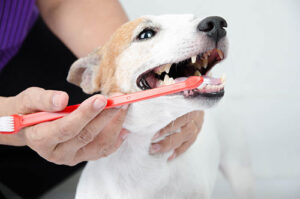
  • 6-8 Weeks – DHPP (mandatory) and Bordetella as optional
  • 10-12 Weeks– DHPP (mandatory); Influenza, Leptospirosis, Bordetella, and Lyme disease as optional
  • 16-18 Weeks – DHPP and Rabies (mandatory); Influenza, Leptospirosis, Bordetella, and Lyme disease as optional
  • 12-16 Months – DHPP and Rabies (mandatory); Influenza, Leptospirosis, Bordetella, and Lyme disease as optional
  • Every 1-2 years – DHPP (mandatory); Influenza, Leptospirosis, Bordetella, and Lyme disease as optional
  • Every 1-3 years – Rabies (mandatory)

Talk with your vet to determine the vaccination protocol that works for you and your puppy.

Puppy Vaccinations in the First Year

Vaccination wise, the first year of life is crucial for a puppy since the vaccines administered this year protect them from potentially fatal viral diseases, namely distemper, and Parvo. According to the American Veterinary Medical Association (AVMA), the core vaccines DHPP and rabies are mandatory in the first year. Apart from that, the optional vaccines your vet may recommend are Parainfluenza, Bordetella, Canine influenza, and Leptospira.

How Long Can a Puppy Go without Shots?

The minimum recommended interval between two vaccine doses for a puppy is two weeks, while the maximum recommended time is six weeks. The above applies to all the core vaccines except for rabies. Rabies requires a single dose at 12 weeks of age. A puppy requires its first dose as soon as it is weaned from its mother. But if it’s not possible, vaccinate it at the first available opportunity. Check with your veterinarian and formulate a vaccination schedule.

Combination Vaccine for Puppies

A combination vaccine is a shot that holds vaccines for more than one disease and offers the same protection as individual vaccines. The combination vaccines save your pet from multiple needle pricks and subsequent traumatization of your puppy. Moreover, the shot also saves you precious time and money spent on the vet. The most common combination vaccine is the DHPP vaccine, otherwise called the distemper shot, which holds vaccines for Distemper, Hepatitis, Parvovirus, and Parainfluenza.

5-in-1 Vaccine

The 5-in-1 vaccine or the DA2PP protects against distemper, two strains of hepatitis or Adenovirus, kennel cough, parainfluenza, and parvovirus. This combination vaccine contains vaccines for highly contagious diseases with a significant mortality rate and no known cure. When the puppies get infected, they have a high chance of passing it on to other dogs in their vicinity. The combination vaccine ensures that your puppy gets maximum protection with minimum discomfort. Dogs receive the vaccine at eight weeks, 12 weeks, and 16 weeks of age, one year, and then 1 to 3 years later.

Lyme Disease Vaccination

Lyme vaccination protects against Lyme disease caused by deer ticks that live in the tall and woody grasses in many parts of the country. While not mandatory, it is required for dogs that are exposed to ticks on a regular basis. The high-risk areas include the Northeastern United States, mid-Atlantic states, and upper Midwest. Taking everything into account, the vaccine isn’t a foolproof measure in itself. It needs to be combined with good-old tick control for adequate protection.

Reasons to Avoid Lyme Disease Vaccinations

Most dogs affected by Lyme disease show little to no symptoms, among which 10 – 15% remain non-clinical carriers. Only 2% of the affected dogs show a severe form of the disease. So unless the puppy has a weakened immune system and is living in high-risk areas, veterinarians do not recommend this vaccine. Moreover, there are chances that your puppy may develop symptoms of Lyme disease through the puppy vaccination. This happens when the immune system reacts with the antigens present in the vaccine and, in rare cases, leads to Lyme nephritis or kidney disease. The efficiency for Lyme vaccination is about 87% when compared to a rabies vaccine, which is at 99%.

Bordetella Vaccine for Puppies

Bordetella is caused by the Bordetella Bronchiseptica and is responsible for the kennel cough in dogs. Though not fatal, the condition is contagious; If your dog frequents dog parks, dog day-care, or boarding facilities, it is highly susceptible to the virus. Most of these facilities require proof of the Bordetella vaccination firsthand. The vaccine is optional, and if opting, the first dose will be as early as six weeks of age. The booster doses will be at 10 and 16 weeks of age and finally at one year. While the vaccine doesn’t pose any specific harmful effect, your veterinarian may not recommend it if your dog is immunocompromised, pregnant, or sick.

Canine Influenza Vaccine

Puppy Vaccination - Canine Influenza VaccineCanine influenza, otherwise known as the dog flu, is a highly contagious viral infection that transmits through respiratory secretions while coughing, sneezing, and barking. Having said that, vets categorize it as a lifestyle vaccine and do not recommend it for all dogs and puppies. Healthy puppies seven weeks of age or older are eligible for the vaccine. It requires two more booster shots until 16 weeks. Since dogs and puppies do not retain the immunity level for long, vets revaccinate them annually. Even after the vaccine, puppies can contract dog flu but to a lesser extent.

Side Effects of Puppy Shots

Puppies can sometimes experience some adverse reactions to vaccinations. Mild reactions can start within hours of vaccination and last for a day or two:

  • Discomfort
  • Swelling in the injection site
  • Loss of appetite
  • Lethargy
  • Sneezing or mild cough (intranasal vaccine)

On the other hand, severe side effects may occur within minutes and sometimes hours after the vaccination. It is better to seek help from your vet if your dog develops any of these:

  • Persistent vomiting
  • Diarrhea
  • Hives
  • Facial Swelling
  • Difficulty breathing
  • Severe cough
  • Collapse

Average Cost for Puppy Vaccinations

Puppy vaccinations are generally higher in the first year and can cost around $75 – $100. It includes the core vaccines administered in the 6, 12, and 16 weeks old. Another core vaccine, the rabies vaccine, costs around $15 – $20. While some vets include this in the initial charge, others may charge separately. On the other hand, animal shelters charge you around $20 or less. If you picked your pet from a shelter, it would have been vaccinated until the age you got it.

Risk of Not Vaccinating the Puppies

Vaccines are most common, and most owners prefer to get their puppy vaccinated; there are others who advise against it. In case you do not get your dog vaccinated, it is vulnerable to fatal diseases like parvovirus and distemper. Not only dogs carry these contagions but also rodents, insects, etc. And with an unvaccinated puppy, they are easily transmitted. In this case, monitoring your dog for signs of disease is the only means of determining a health problem. If you are skeptical about vaccines, you also have the option of talking to your veterinarian about it. Choose the vaccines for diseases that pose a higher risk for the puppy and lesser side effects.

What Happens if You Give Puppy Shots Too Early?

According to vets’ recommendation, the ideal time to start puppy vaccination is six weeks of age. If vaccinated earlier than that, the immune system may be too immature for the vaccination to be effective. Additionally, the parvovirus vaccine can turn out to be harmful to developing brains. Having said that, shelters vaccinate their animals more frequently and at a younger age than recommended.

Conclusion

Puppy Vaccination - Puppy Wearing MaskPuppies are susceptible to infectious diseases due to an undeveloped immune system. Though they receive antibodies from the mother, it is not for long and sometimes not enough. Vaccines help boost the immunity level, thereby protecting against bacteria and viruses. The vet gives the first shot as early as possible, right after weaning from the mother, and subsequently, two more booster shots until the 16 weeks. The aim is to catch the window when the mother’s antibodies subside, and the puppy is vulnerable to the outside environment. An entire series of vaccination is vital to provide complete protection to the puppy. Talk with your vet about your puppies’ lifestyle, any planned travels, etc., so that he can help prepare a proper vaccination schedule comprising of both core and non-core vaccines. Your puppy’s health is important. In Tucson, Santa Cruz Pet Clinic is the trusted veterinarian that you desire for getting your dog the proper vaccinations at the proper time. Contact us today to schedule your puppy’s vaccination. Other related, timely articles you may enjoy:

Teeth Cleaning for Dogs

Teeth Cleaning for DogsMost people do not realize how essential teeth cleaning is for dogs. There are many common dental problems, some of which are very serious, that dogs can experience if their teeth are not kept clean on a regular basis. Not only that, it is quite costly to fix neglected teeth.

One of the most common disorders for dogs is periodontitis. So when people ask if teeth cleaning for dogs is necessary, the answer is a resounding “YES”.

It is estimated that by the age of three, most dogs have developed or are developing periodontal (gum) disease. Periodontal disease allows plaque — a sticky film of bacteria — to build up on the teeth and harden, resulting in infection, inflammation, and the breakdown of the tissues that structurally support the teeth. If this continues for too long a time, tooth loss may occur. 

What to Look for to Know You Need Teeth Cleaning for Dogs

There are many signs that your dog needs to get its teeth cleaned. Here is a short list of things that you can look for. Most people do not know to watch for excessive nasal draining and sneezing that can occur when an abscess breaks within the nasal passages. Drooling, poor appetite, discolored teeth, bad breath, receding gums, bleeding gums, missing teeth, and loose teeth are other signals to look for. 

Tips for Preparing Your Dog for Teeth Cleaning

Before you take your dog to have their teeth cleaned, there are a few things that you can do to help prepare them for the appointment. 

  • Have a Physical Check-Up First – Many people ask how safe is teeth cleaning for dogs? Teeth cleaning is generally safe, but if your dog has an underlying health issue, the anesthetic could cause problems. Make sure that your dog has been checked for underlying health conditions before a teeth cleaning is performed. 
  • Get Bloodwork Done – Recent lab tests will be needed for your dog before teeth cleaning. The labs will check for conditions that could cause complications during teeth cleaning. Labs can also look for infections that could be present from poor dental health. 
  • Use Antibiotics – Some veterinarians will prescribe antibiotics before or after teeth cleaning. If your vet prescribes antibiotics, make sure that you are giving them to your dog.
  • Don’t Feed Your Dog – Most pet owners remain concerned asking if teeth cleaning is even safe for dogs. One thing that can cause teeth cleaning to be dangerous is feeding your pet after the recommended time. This can cause complications with the anesthetic. 

Frequently Asked QuestionsPeople Also Ask

Do Dogs Really Need Teeth Cleaning? 

Yes, your dog needs to have his/her teeth cleaned. Some breeds are more likely to have periodontal disease issues, particularly smaller breeds or those who eat wet dog food. Regular cleanings will not substitute good dental hygiene, so make sure that you are also brushing your dog’s teeth. There are special chew toys and teeth cleaning treats that can help as well.

What Happens After a Dog’s Teeth Cleaning? 

You will take your dog to the veterinarian’s office or clinic for teeth cleanings. These cleanings are generally painless, and typically, your dog goes home immediately afterward. Most dogs do receive a mild anesthetic to keep them from injuring the person who is cleaning their teeth. They might seem tired when you take them home, and they might experience mild pain if they had tartar and plaque removed, but within a day, they should be back to normal.

How Often Should Dogs Have Their Teeth Cleaned? 

X-rays, teeth cleaning, and examinations should begin when your dog is six months old and should occur annually; why we are saying this, check this article out.

Why Is Dog Teeth Cleaning So Expensive?

Many people seem shocked when they hear the cost of teeth cleaning for dogs. Teeth cleaning is not the expensive part of dental work for your dog. The expenses come from the anesthesia and the x-rays. 

Conclusion

Poor dental hygiene can cause more problems than just bad breath. Teeth can have plaque, which will become tartar if left untreated. Tartar, along with a plaque, can cause several problems with the gums and infections. You can brush the plaque from your dog’s teeth at home, but you cannot remove the built-up tartar. This is something that will require the attention of a veterinarian. 

Untreated dental problems can lead to an infection in the bloodstream that could damage the heart, kidneys, lungs, or other organs. While not as extreme, it can also cause your dog’s teeth to become loose and/or fall out, abscesses, gum loss where the gums support the teeth, gum separation, and oral pain.

Your dog’s dental health is important. Teeth cleaning for dogs is a necessity if you want your dog to live a long and healthy life. In Tucson, Santa Cruz Pet Clinic is the trusted veterinarian that you desire for your dog’s teeth cleaning. Contact us today to schedule the teeth cleaning and all necessary appointments to ensure that your dog is in optimal health when going into the cleaning.

Disease in Rabbits

Disease in Rabbits - Rabbit Wearing Mask

Common Diseases of Pet Rabbits.

According to a survey by American Pet Products Association, there were around 3-7 million pet rabbits in the US, just behind dogs and cats in popularity.

Rabbits make excellent pets, as can be seen with the increasing number of people adopting them. Unlike any other pets, they have distinctive personalities; quite independent and charming as cats; faithful and friendly as dogs. They are also smart and openly affectionate.

As with every pet, you need to facilitate them with appropriate accommodation, food, and exercise. Though pretty much low maintenance, rabbits can be susceptible to health problems that can turn out to be fatal unless treated at the right time.

This article takes you through the Common Diseases of Pet Rabbits.  (common, gastrointestinal, fatal, and urinary tract) and their symptoms.

Common Diseases of Pet Rabbits

Rabbits though domesticated, are generally prey and, as such, will hide any signs of infection. So, it is recommended that the pet owners maintain hygiene, proper diet and closely observe them for any diseases.

Uterine Cancer – Common Diseases of Pet Rabbits.

Uterine cancer is prevalent among female rabbits. Few breeds have 50-80% chances of developing cancer. There are no treatments available except desexing the rabbit as early as four months before cancer develops.

Symptoms include blood-stained vaginal discharge, mammary gland cysts, aggressive behavior, lethargy, to name a few.

Rabbit Calicivirus – Common Diseases of Pet Rabbits.

A common yet deadly disease is the Rabbit Calicivirus and is very difficult to treat. Upon contracting it, the symptoms progress quickly within 12-18 hours, resulting in heart and respiratory failure.

Due to its severity, vets prefer to vaccinate the rabbits against the virus at 10-12 weeks. The vaccination has two doses, with one each month and a booster dose every six months.

The signs displayed by the animal include fever, lethargy, poor appetite, bloody discharge from the nose, and restlessness.

Hairballs – Common Diseases of Pet Rabbits.

Hairballs are frequently found in rabbits so much that if your pet is lethargic and doesn’t eat, you better contact a vet. They are self-grooming animals, and during the process, they may ingest the hair, which then passes through the gut. If it doesn’t pass through fecal matter, it may form hairballs blocking the gut.

Medications to get the gut working can help to an extent, but surgery is the only option in severe cases. To prevent it from happening, your rabbit’s diet should be rich in fiber.

Snuffles – Common Diseases of Pet Rabbits.

Snuffles is another common disease seen mainly in young rabbits caused by Pasteurella Bacterium. The condition, while easy to treat, is impossible to cure. If your rabbit develops a chronic infection, it can always present with watery eyes.

Signs of the illness include sneezing, watery eyes and nose, abscesses, uterine infections, and ear infections (leading to head tilts). Snuffles is easily transmitted between rabbits, so keep new rabbits separately from the older ones.

Treatment involves antibiotics administered by a veterinarian along with eye drops and nasal drops. The litter should be changed daily, and the cage kept clean.

Parasites – Common Diseases of Pet Rabbits.

Much like your cats and dogs, rabbits are also susceptible to parasites like ticks, fleas, mange, fly strikes, and ear mites. Flystrike can be seen in the rear end, tail, belly, and back of the animal, especially during the summer months.

As for ear mites, they present as skin scales on the inner ear and, if left untreated, turn into crusted lesions. At this point, it causes balance issues and loss of hearing.

Do not self-treat your pet, as the medicines meant for other types of pets like dogs and cats can be lethal for rabbits. Leave it to the vets for diagnosis and treatment.

Overgrown Incisors – Common Diseases of Pet Rabbits.

A rabbit’s teeth grow throughout its lifetime. Chewing on fiber-rich grass hay and grinding on wood blocks will keep them at a standard length. However, sometimes they can grow too much and hurt their tongue in cheek, preventing it from eating or grooming itself.

The only treatment option is through your vets, who would grind the teeth back to regular length under anesthesia. However, you can prevent it from happening by making sure 80%-90% of the food is fiber.

Inflammatory Bowel Disease or Enteritis – Common Diseases of Pet Rabbits.

Inflammatory Bowel Disease is one of the widespread diseases among rabbits. Unfortunately, the disease itself is a sign of an underlying condition and not the cause.

The symptoms include:

  • Watery diarrhea
  • Constipation
  • Reduced food intake
  • Mild dehydration

The above signs are not easily noticeable, and before long, the animal slips into a coma.

Rabbits are prey animals in the wild, hence have a heightened adrenaline production for any perceived threat. Your pet rabbits are also the same; Apart from maintaining acceptable hygiene practices and diet, you may want to follow the below stress management practices:

  • Protect the rabbit from excessive noise, heat, and cold.
  • Do not switch feeds abruptly.
  • Even an extended family visit is stressful.

Common Diseases of Pet Rabbits.  - Vet Looking at Rabbit X-RayUrinary Tract Disease in Rabbits

Rabbits differ from most mammals in the sense that their calcium absorption is unregulated. While the necessary calcium is absorbed, the excess is secreted via urine as much as 60% if fed a high calcium diet. It can also lead to urinary tract diseases identified by a loss of fur in the genital region and hindquarters.

Renal (Kidney) Disease

While acute renal disease is rare, chronic renal failure is commonly seen among rabbits, even in the young ones. Failure happens when the kidneys are unable to filter the waste and are irreversible. For mild cases, along with the medications, the vets use:

  • Low calcium diet
  • Fluid therapy
  • Nutritional support

The symptoms include: Lethargy, dehydration, loss of appetite, diarrhea, fever, increased water intake, depression, increased urination, weight loss, urine scalding, seizures, to name a few.

Hypercalciuria and Urolithiasis

Since rabbits excrete calcium via urine, a high amount of calcium can give cloudy and sludgy urine and lead to uroliths. Other causes may be musculoskeletal conditions, obesity, low water intake, neurologic disease, and poor hygiene practices.

Your vet may look into possible treatment options, including antibiotics along with flushing and suctioning the bladder via a catheter.

Lower Urinary Tract Infection

Accumulation of bacteria leads to lower urinary tract infection in rabbits. Even though bacteria cause the disease, the underlying reason may be a weakened immune system and high calcium content in the urine. The condition is predominantly seen in rabbits 3-5 years of age and obese animals.

Signs of the infection include:

  • Urinary incontinence
  • Frequent urination
  • Bloody/thick/beige or blown colored urine
  • Skin ulcer around the genital area and hind legs

The condition is not severe, and vets offer treatments including:

  • Increase in water intake
  • Weight loss
  • More exercise
  • Modified diet
  • Antibiotics

Gastrointestinal (GI) Stasis in Rabbits

Gastrointestinal (GI) stasis is a pretty serious bacterial disease that slows down, or worse, stops it completely. The malfunction can cause a buildup of harmful bacteria, which releases gas, causing bloating. Rabbits affected by GI stasis lose the motivation to drink and eat, getting starved without any nutrition or fiber.

This results in a buildup of toxins in the system, causing the liver to overwork and fails ultimately.

Symptoms of the disease include:

  • Small/No fecal pellets
  • Loss of appetite
  • Lethargy

Treatment for the disease starts as soon as you contact the veterinarian. Depending on the condition of the animal, he may proceed with:

  • Pain medication
  • IV fluids
  • Motility drugs
  • Antibiotics

Tularemia – Symptoms and Causes

Also known as rabbit fever or deer fly fever, Tularemia is a bacterial disease that affects the rabbit’s eyes, skin, lymph nodes, and lungs. Humans can also become infected by this rare infectious bacteria when bitten by an animal.

The bacterial disease is caused by the bacteria Francisella Tularensis which mainly affects rabbits, hares, rodents, birds, sheep, dogs, cats, hamsters, and many more. Rabbits contract tularemia during winter, rabbit hunting season. The bacteria is prevalent all across the US except Hawaii.

Ticks, particularly the lone star tick, dog tick, and wood tick, transmit the bacteria F Tularensis between rabbits, other animals, and humans. They may also spread through inhalation, eyes, and nose.

Rabbits are the source of 90% of the Tularemia cases in the US, of which 70% is via cottontail rabbits. Ingesting the meat of the infected animal and drinking contaminated water can also spread bacteria among humans.

Most of these animals are long dead due to organ failure before you begin to notice them. However, here are a few symptoms that have been seen in affected rabbits:

  • High fever
  • Weakness
  • Ulcers
  • Abscesses

The diagnosis of rabbit fever is difficult since the symptoms may also be a sign of another illness too. Your vet will perform a complete panel of blood tests, including a blood chemical profile, a total blood count, and an electrolyte panel. If caught early, antibiotic treatment can help the affected animals.

Since the rabbit fever is highly contagious, you may want to contact your vet anyway to report your suspicion, even if your pet is dead.

Myxomatosis in Rabbits: Symptoms and Treatment

Myxomatosis is a viral infection in rabbits caused by the myxoma virus. It is highly contagious and has a very low to no survival rate so much that vets prefer to have the rabbit put down.

Myxomatosis virus is generally spread through ticks and insects. So, if a rabbit, wild or domestic, has it in the region, the chances are that it will spread widely.

Signs of the disease can take fourteen days to manifest in an infected animal and include fever, listlessness, skin ulcer, lack of appetite, drooping ears, swollen head and genitalia, labored breathing, etc. In case you are suspicious of any rabbit of Myxomatosis, contact your veterinarian.

Rabbit Hemorrhagic Disease – The New Deadly Virus

Though not a new virus, it is spreading fast and fatally across the US and South America. It is caused by the rabbit hemorrhagic disease virus(RHDV), which is highly contagious and can survive in extreme conditions.

If any rabbit in your location, even a wild one, is affected by the virus, it can spread fast via your clothing and shoes. However, it doesn’t spread to humans or other animal species.

Australia and New Zealand purposefully introduced the RHDV along with myxoma virus and rabbit calicivirus to control the feral rabbit population in the country.

The disease primarily causes hepatitis and has two strains: RHDVa with an incubation period of 1–2 days and RHDV2 with 3–5 days.

Disease in Rabbits - Rabbit VaccinesVaccination for Rabbits

Although pet rabbits do not need any vaccination in the US, there are vaccines available for fatal diseases, namely:

  • Rabbit Hemorrhagic Disease(both the strains)
  • Calicivirus
  • Myxomatosis virus

Conclusion

Rabbits are the most popular small animal pets in the United States. They are naturally clean animals, and by maintaining clean housing for your pet, you can avoid most diseases.

Rabbits need a balanced diet rich in fiber. They also require regular health checks from a vet to pick up the early signs of any infection and prevent diseases.

However, a regular veterinarian would not work; you need someone trained in handling exotic pets to keep your pet happy and healthy. That is where we come in. If you suspect your pet rabbit is suffering from any of the diseases mentioned above, contact Santa Cruz Pet Clinic immediately to find treatment solutions. The faster you act, the higher the odds are of your family pet surviving.